
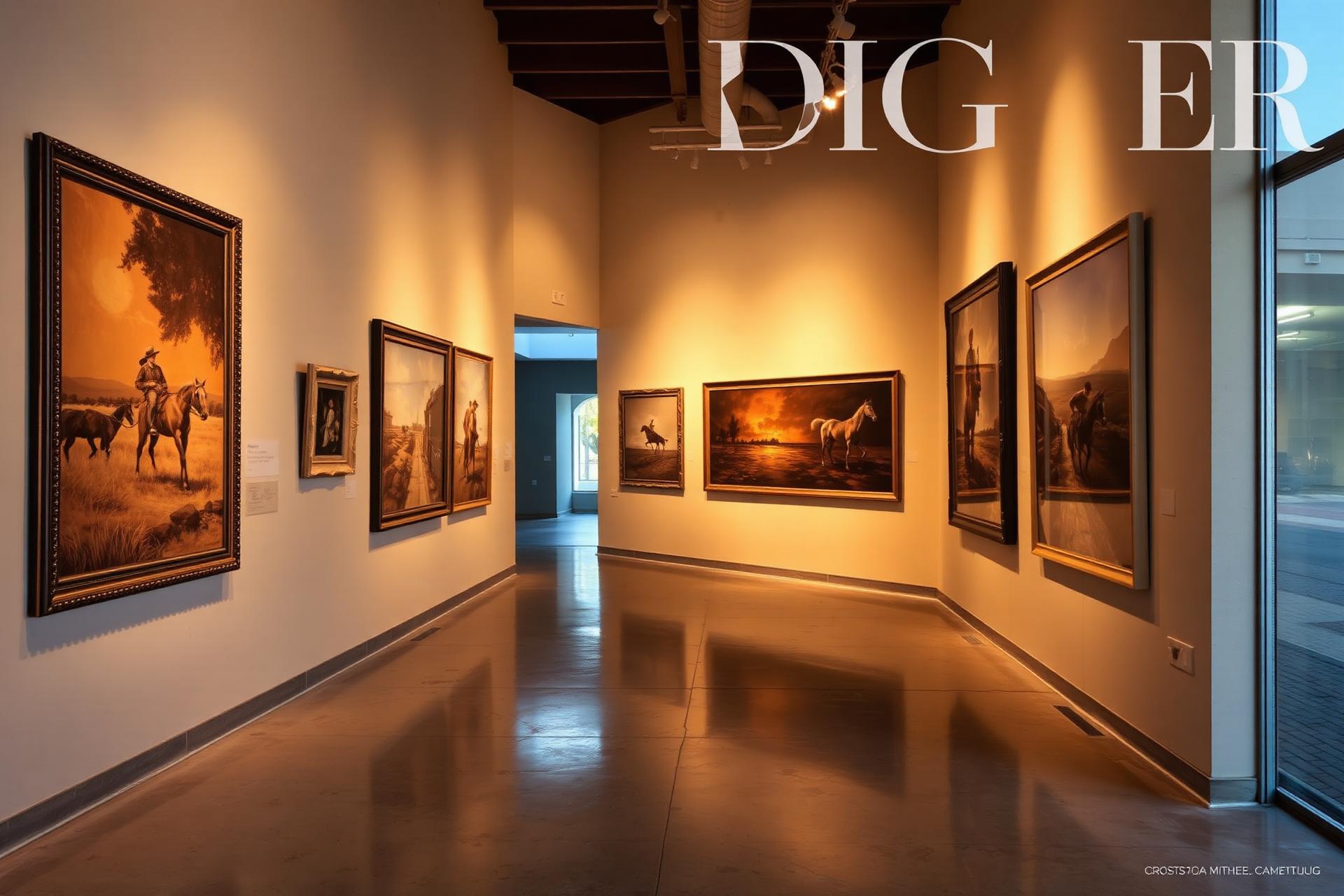
An Editorial Issue · No. 003
The Art of Scottsdale
A city that has been quietly collecting itself for fifty years — one gallery, one sculpture, one artist at a time.
Presented by Art Levy
Editor's note
Scottsdale is a city that built its identity around art before it built much of anything else. In the early 1970s, while the surrounding desert was still mostly desert, a small group of gallerists opened storefronts on Main Street and started showing serious work. The city has been collecting itself ever since.
What follows is not a directory. There is no map of every gallery, no ranked list of every museum, no exhaustive index of every public sculpture. Other people make those. This is an editor's reading of the city — a working guide to where the art lives, who is making it, why people collect it, and how a visitor or a resident might begin to participate.
Read it slowly. Walk it more slowly than that. The work was made over a long time; the city assumes you have a moment.
The Editors · Great Scottsdale
Why it matters
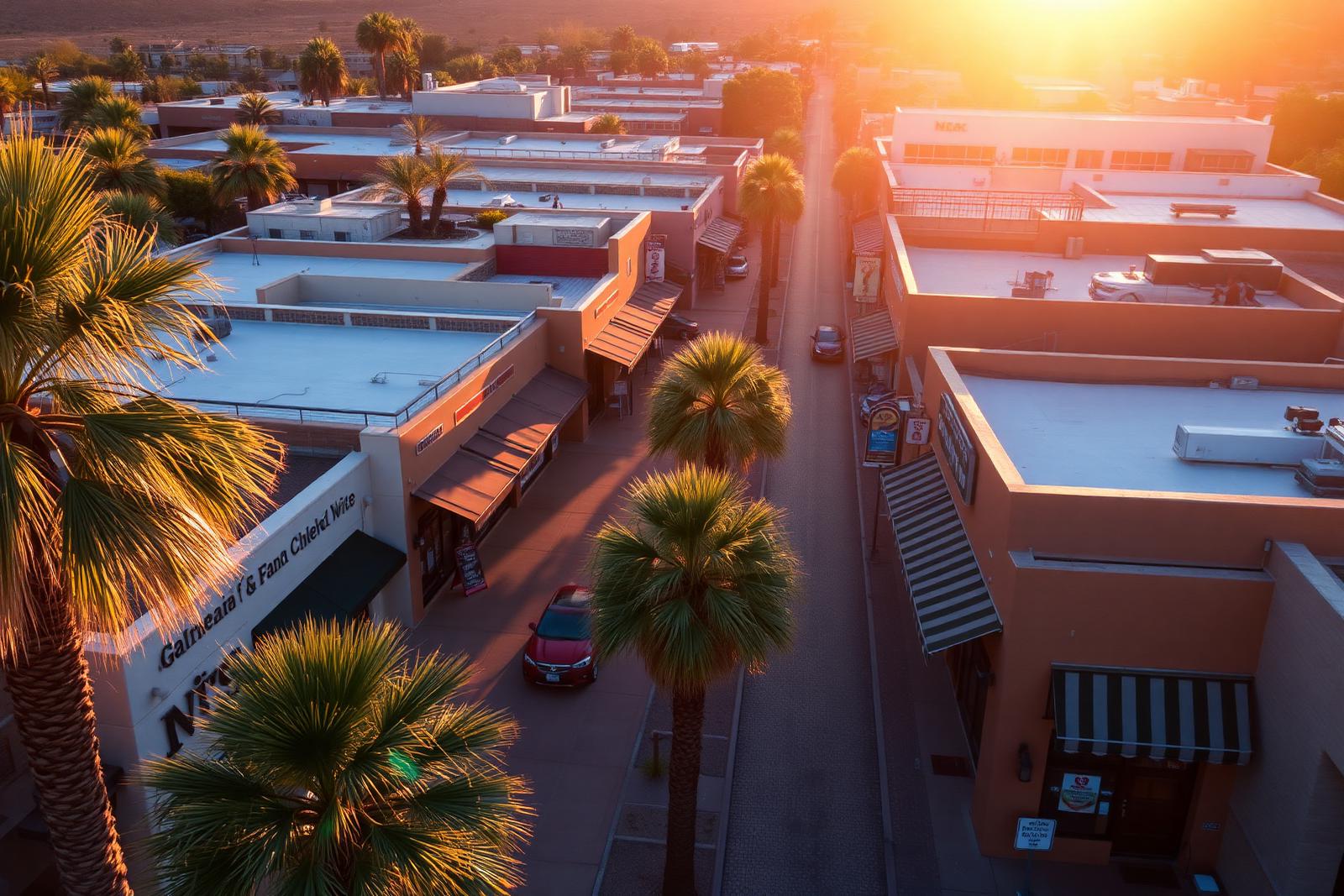
Why Scottsdale became one of America's premier art destinations
In the early 1970s, a handful of galleries opened on Main Street to serve a small, serious audience of western collectors. Fifty years later, the city sustains the largest concentration of fine-art galleries between Santa Fe and Los Angeles, a public-art program with three decades of commissioned permanent works, and a working population of painters, sculptors, and photographers who chose the desert over the coasts. The art market followed; the artists came first.
Featured Partner Collection
Art Levy
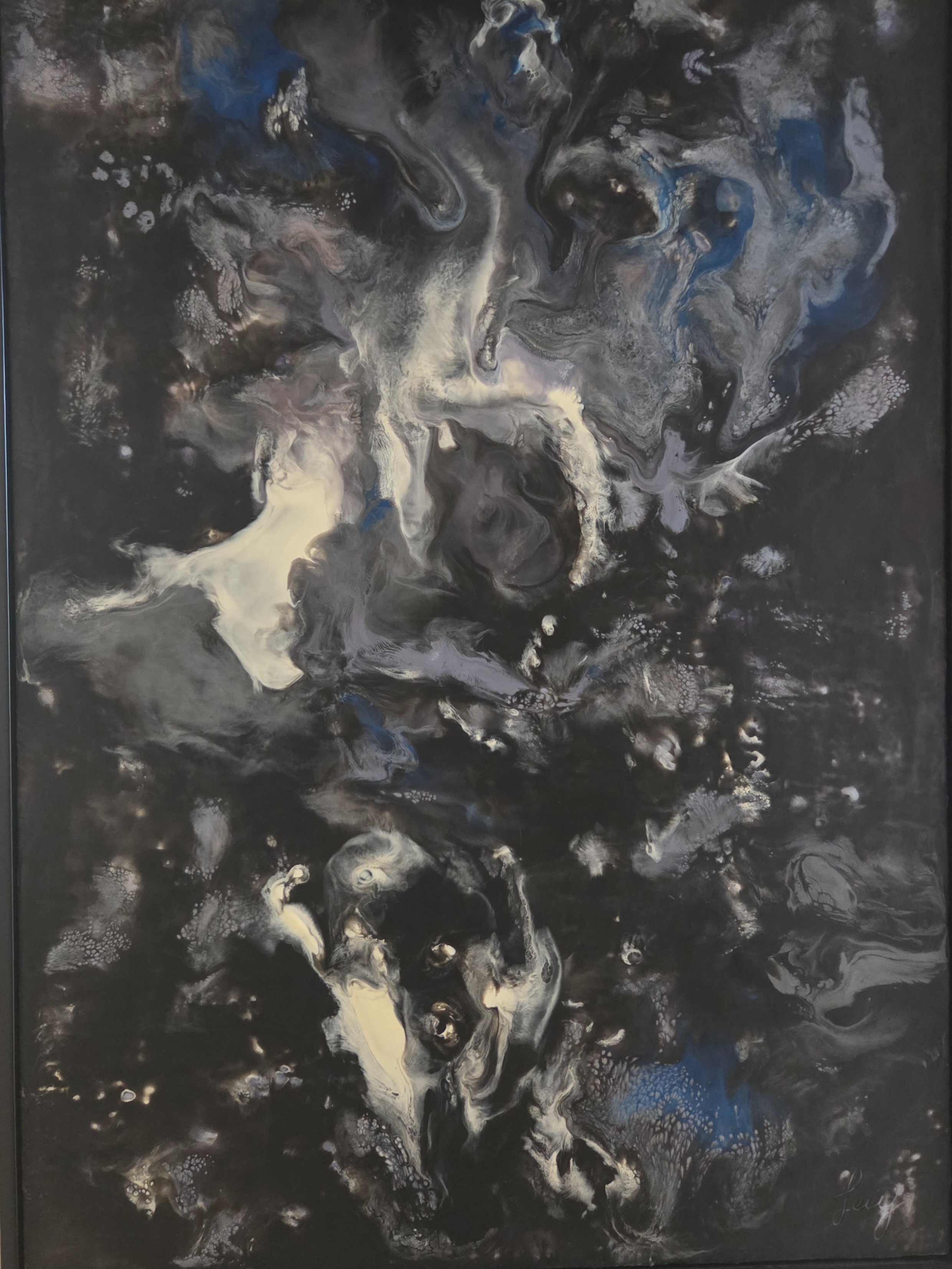
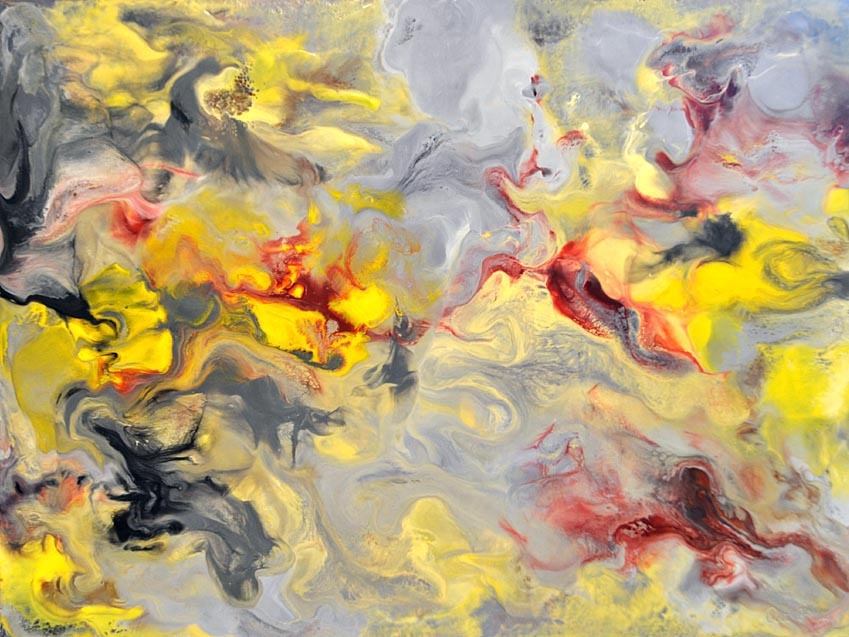
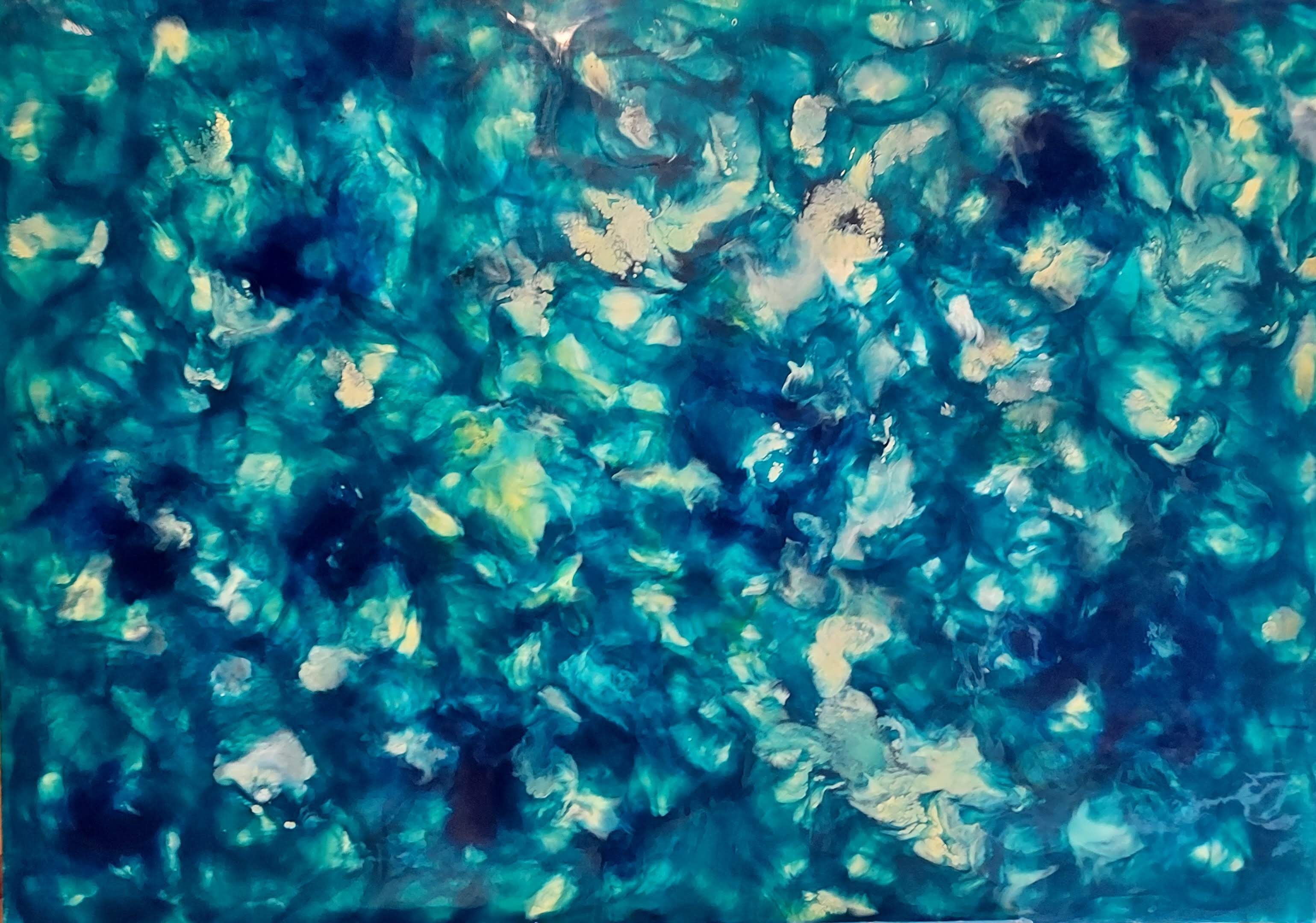
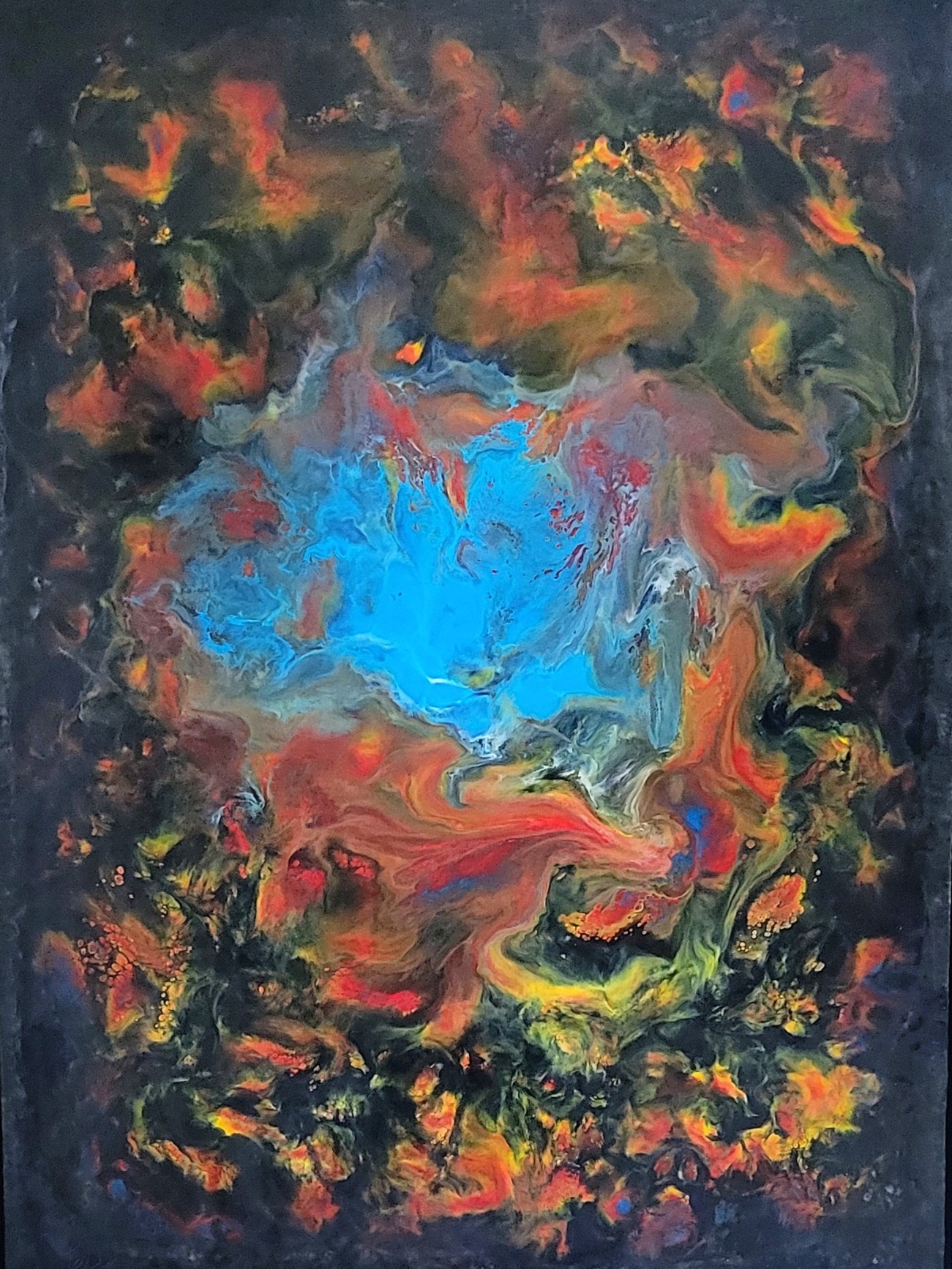
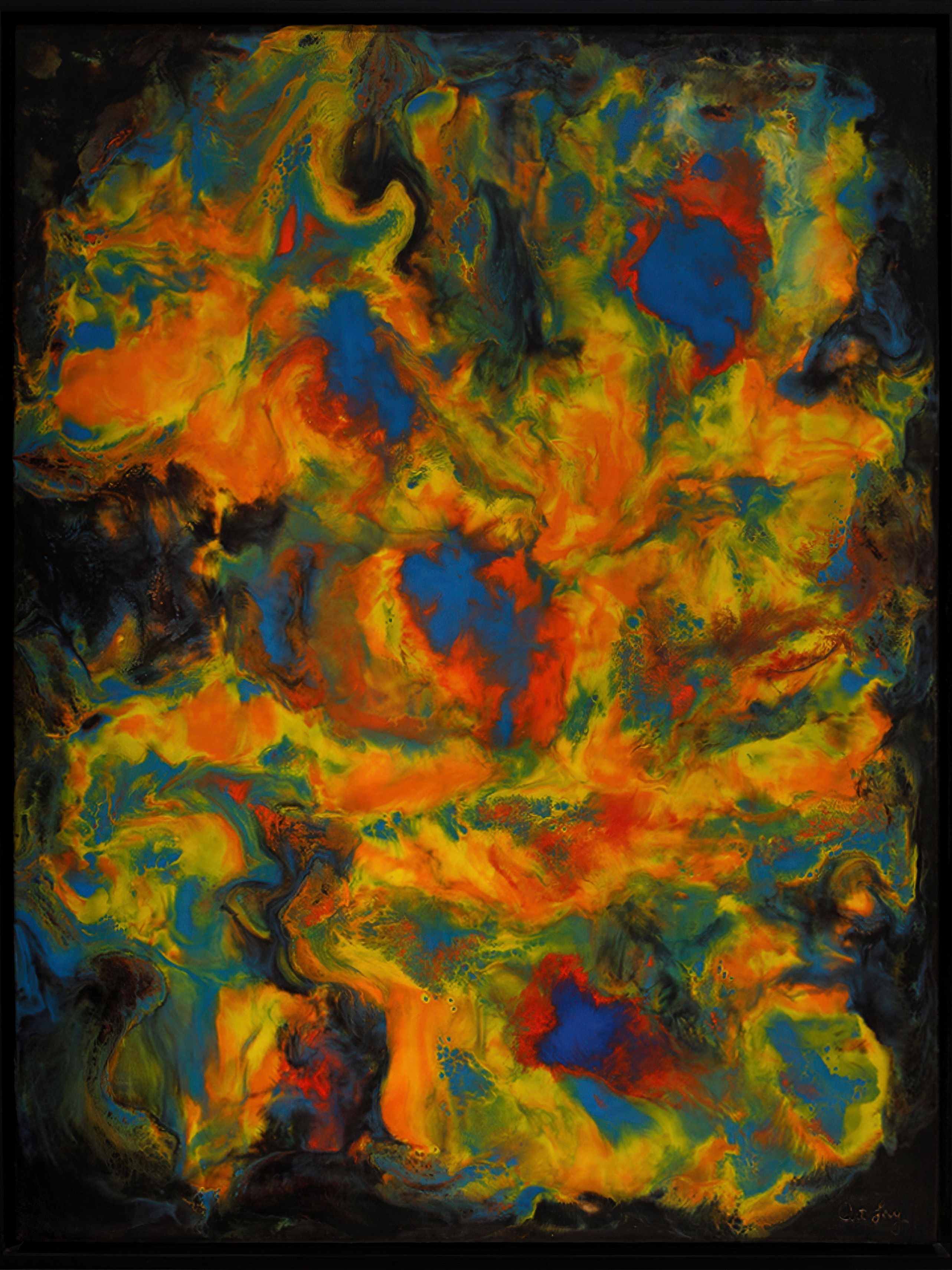
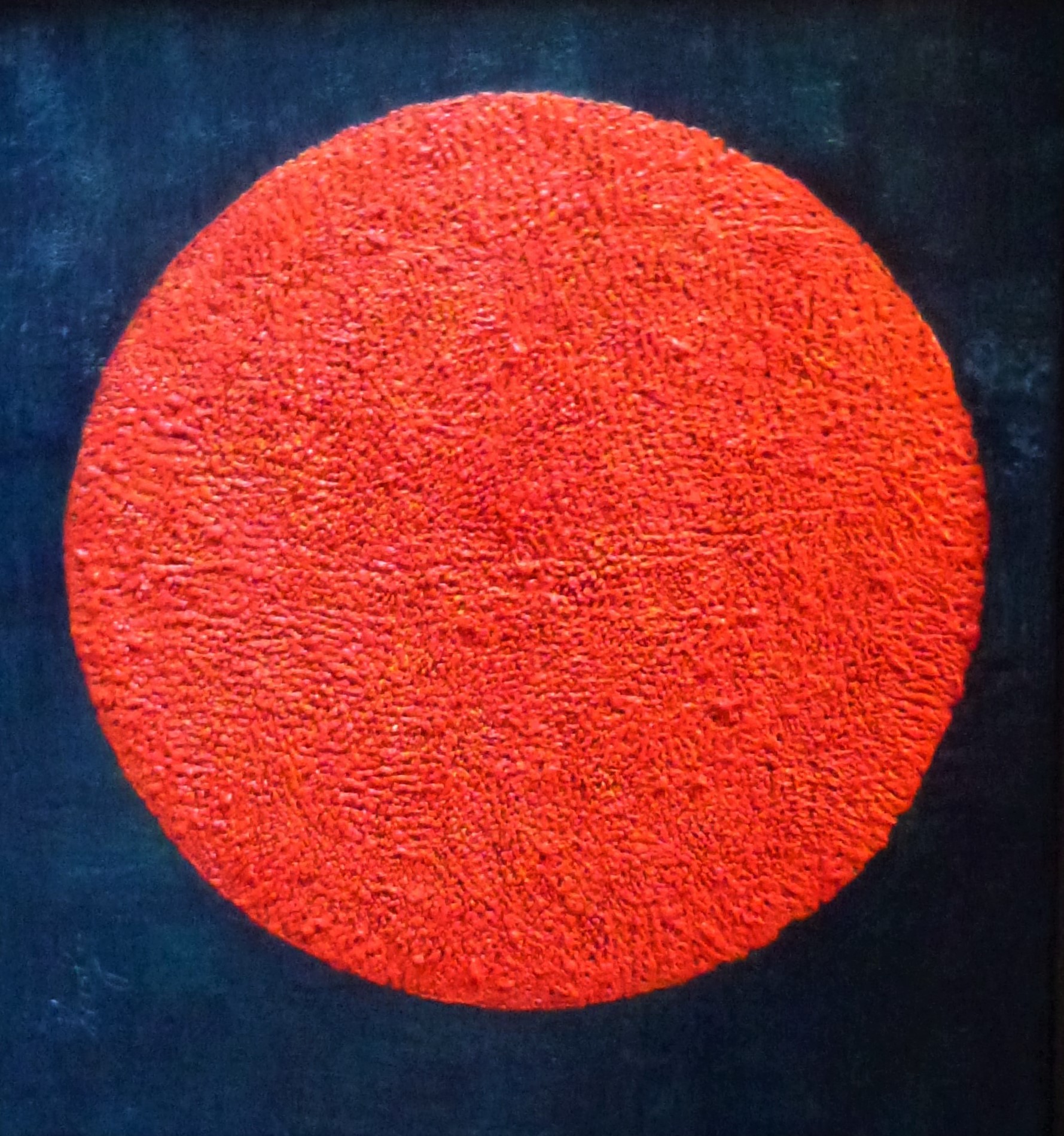
A quiet exhibition of recent encaustic work — beeswax, damar resin, and pigment fused with heat on wooden panel. Every surface is built in layers; every layer is set with a flame.
On the material
Beeswax, damar, pigment — and heat.
Why it matters
Why encaustic is one of painting's oldest techniques.
In the studio
A slow way of working, in a fast city.
Stories from the issue
Six readings of a city through its art.
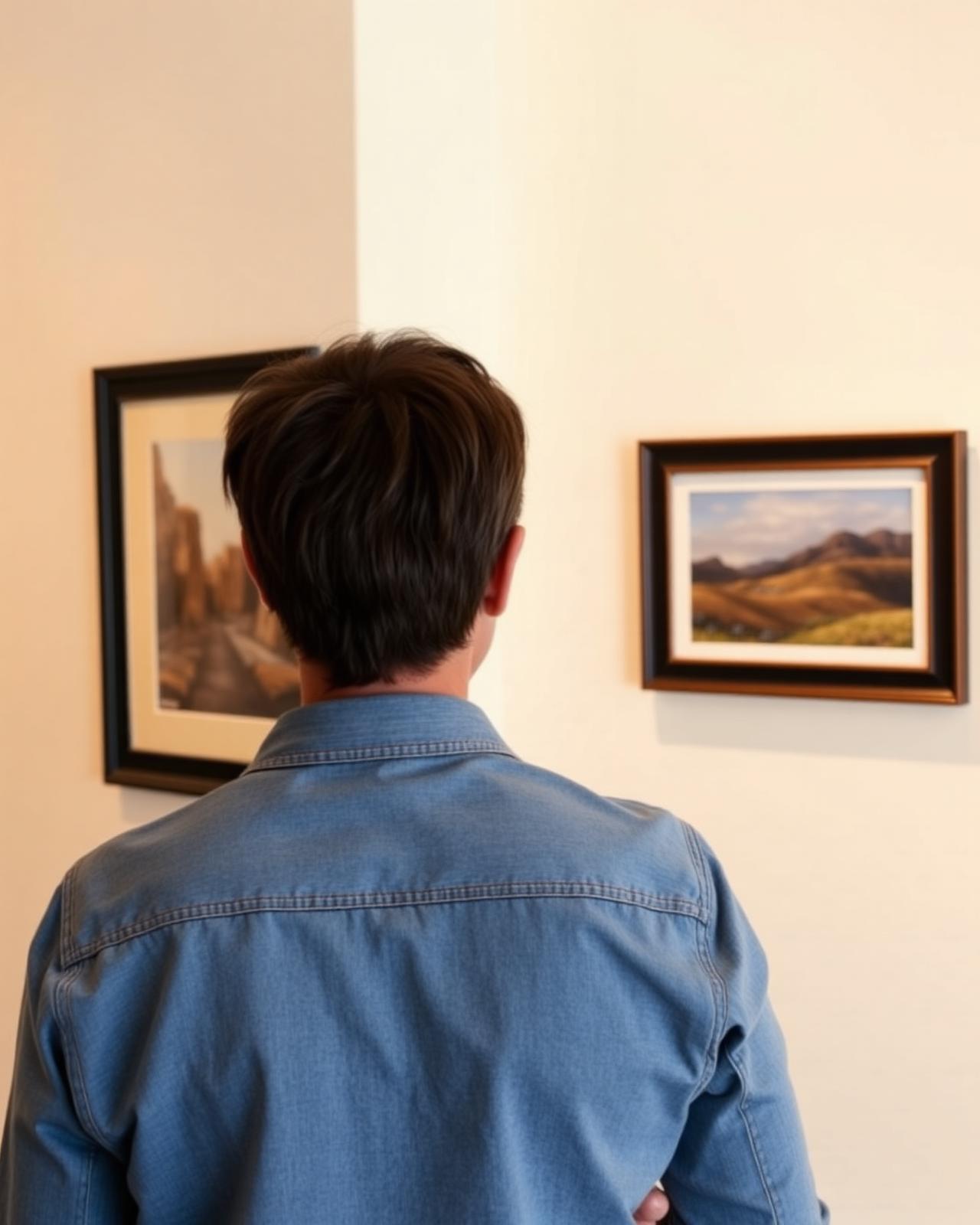
On collecting
Finding Your First Original Piece
The hardest decision is also the simplest. Five working principles for the first wall.
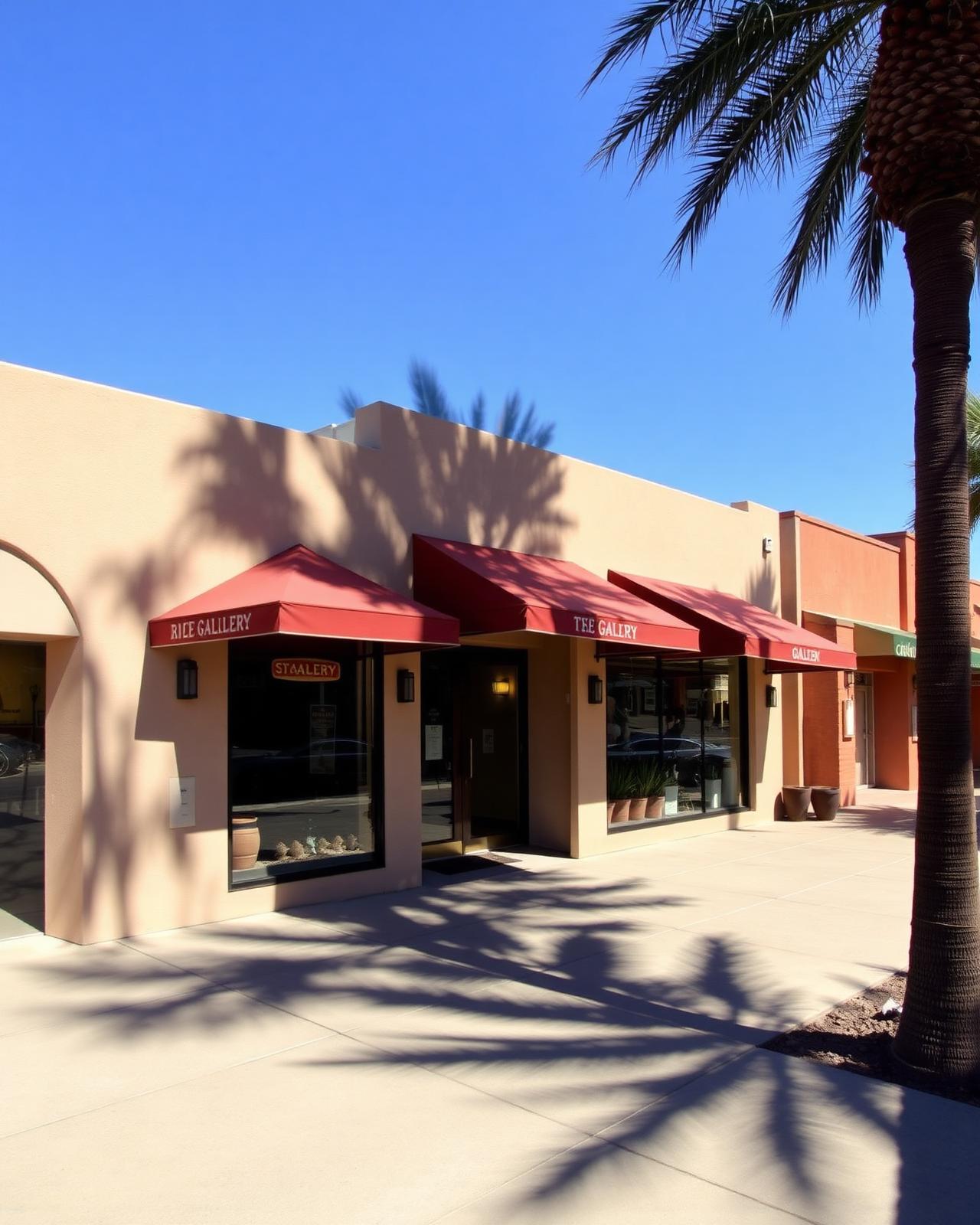
On place
Why Scottsdale Became an Art Destination
From Main Street's first western galleries in 1972 to the Soleri Bridge in 2010 — fifty years of slow accumulation.
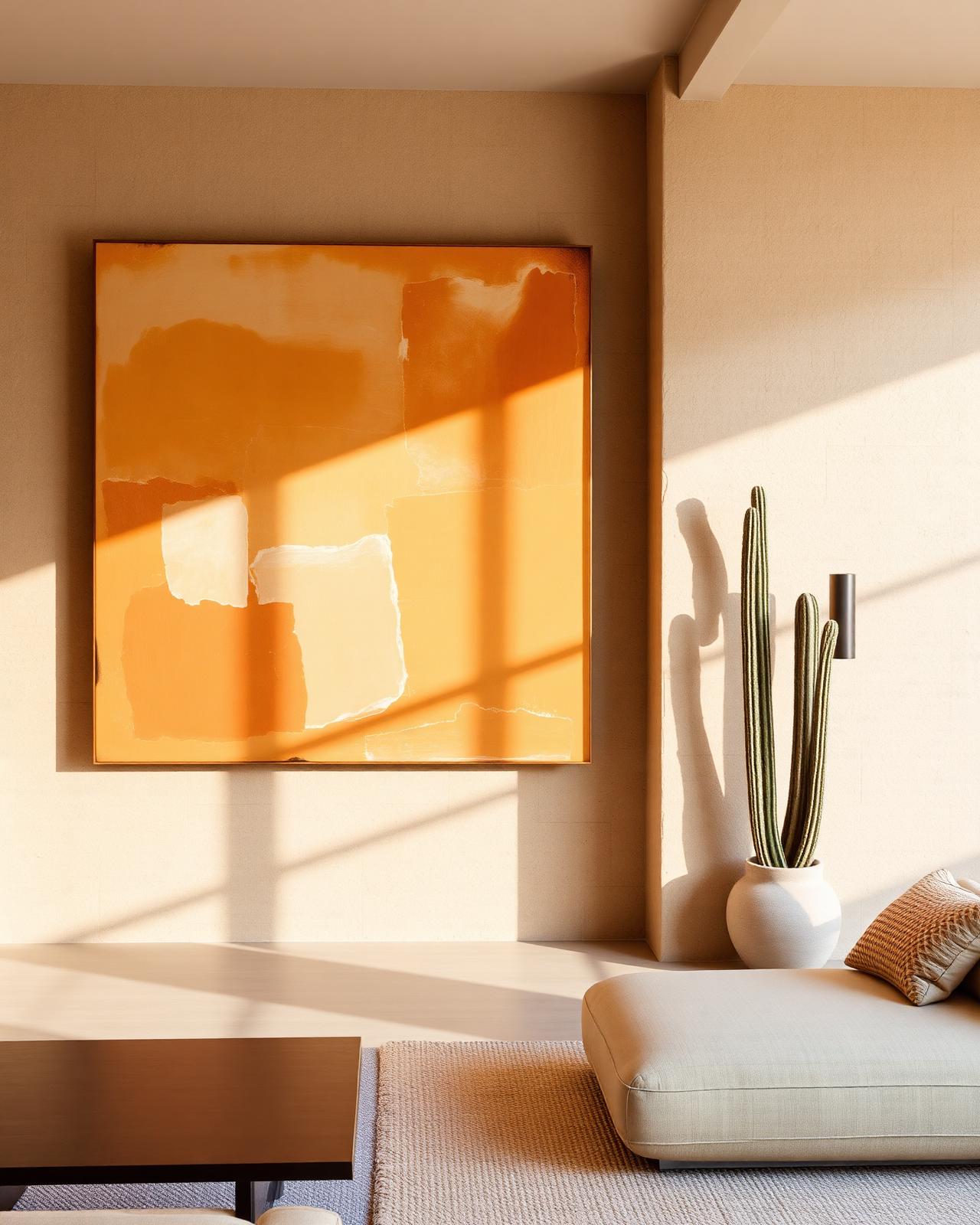
On movement
The Rise of Desert Contemporary
Not Western. Not coastal contemporary. A regional movement that finally has a name.
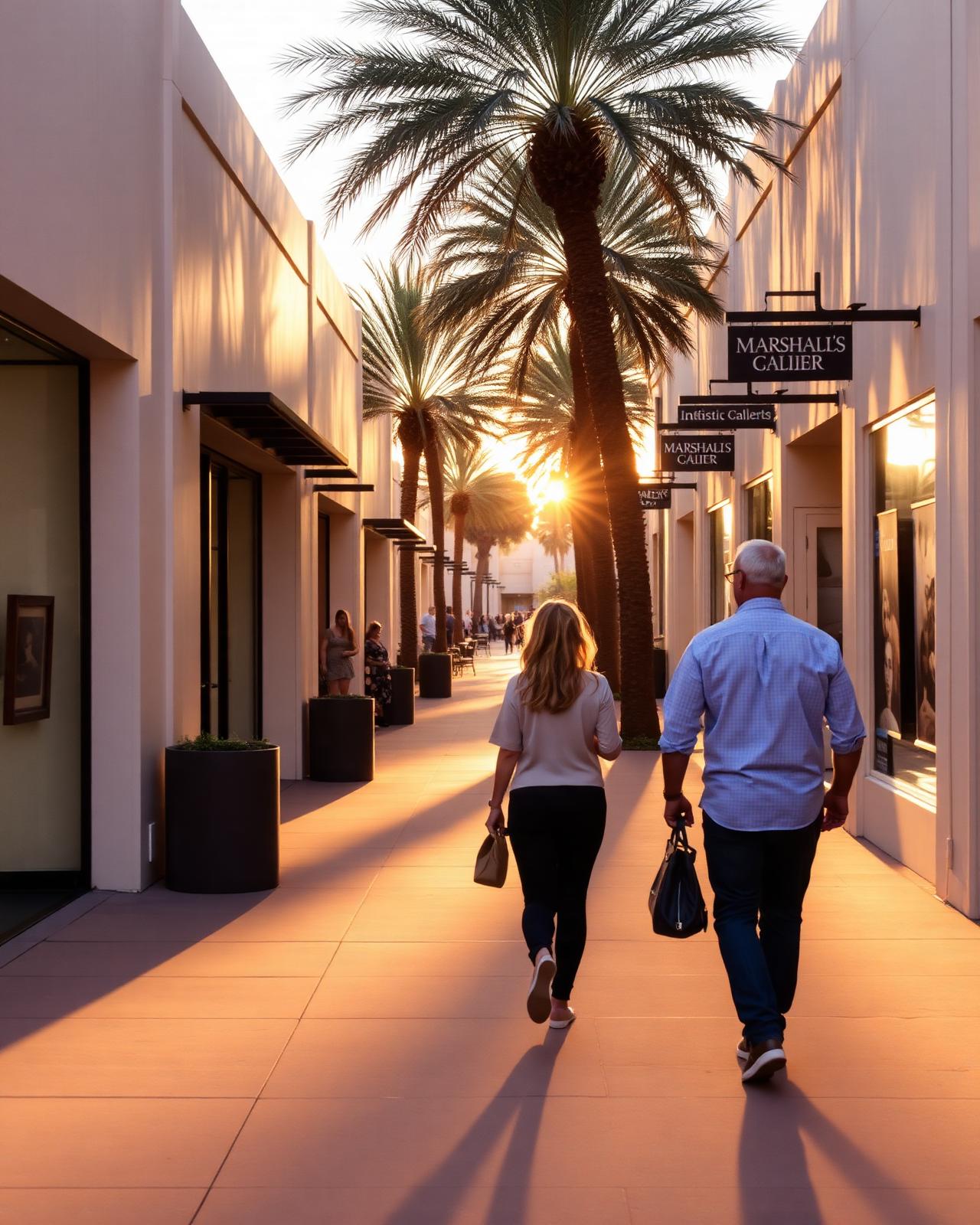
On itinerary
A Weekend Gallery Walk
Friday-evening ArtWalk, Saturday-morning studios, Sunday-afternoon Civic Center. A two-day route through the Arts District.
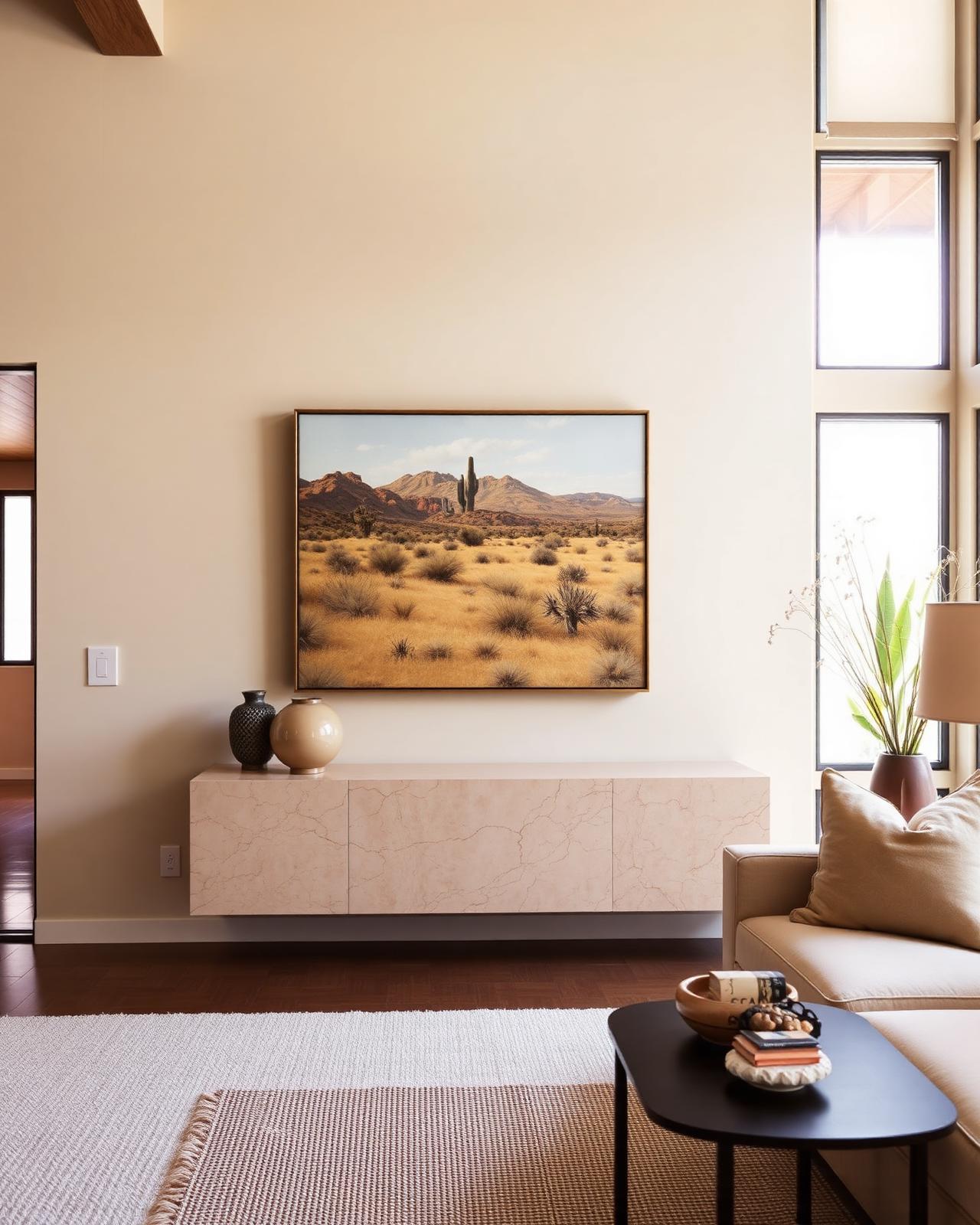
On installation
Living With Western Art
How working collectors hang it: not the cliché western room, the considered modern home.
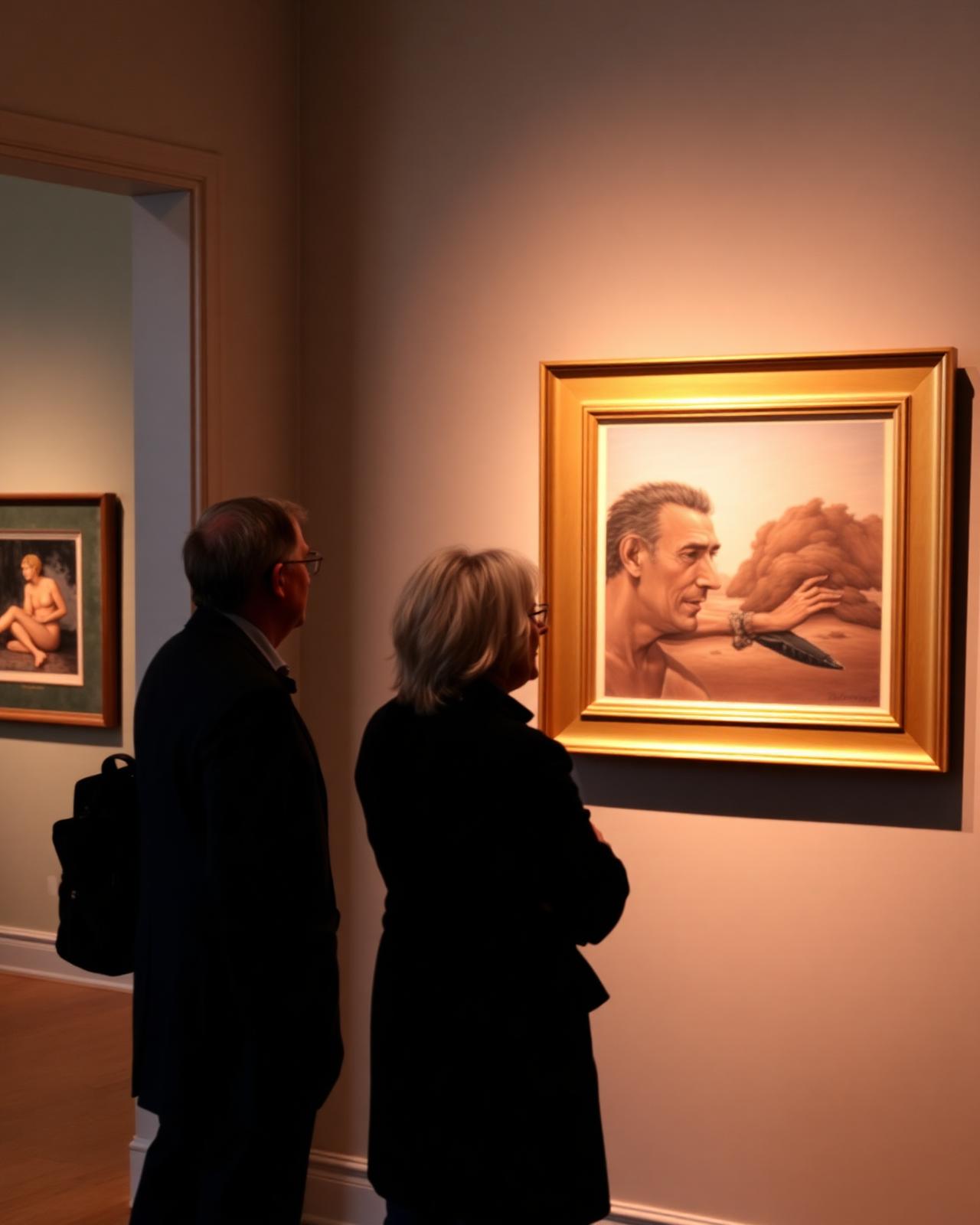
On confidence
Collecting Without Intimidation
Galleries are not auction houses. The rules are quieter, the prices are clearer, and most dealers want to teach you.
Where the art lives
Eight places that hold the city's working art life.
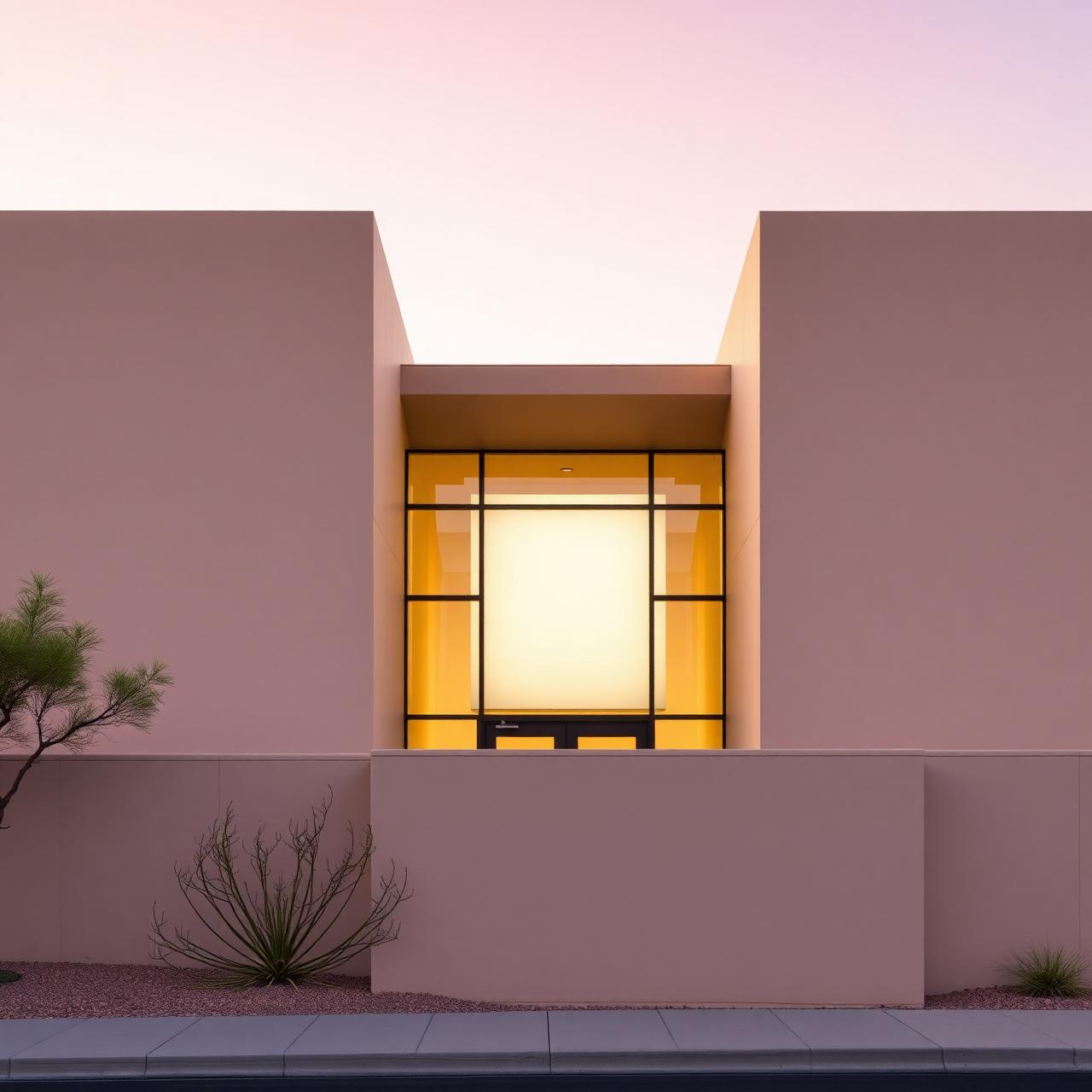
Museum · Civic Center
Scottsdale Museum of Contemporary Art
The city's contemporary anchor — small footprint, serious curatorial range.
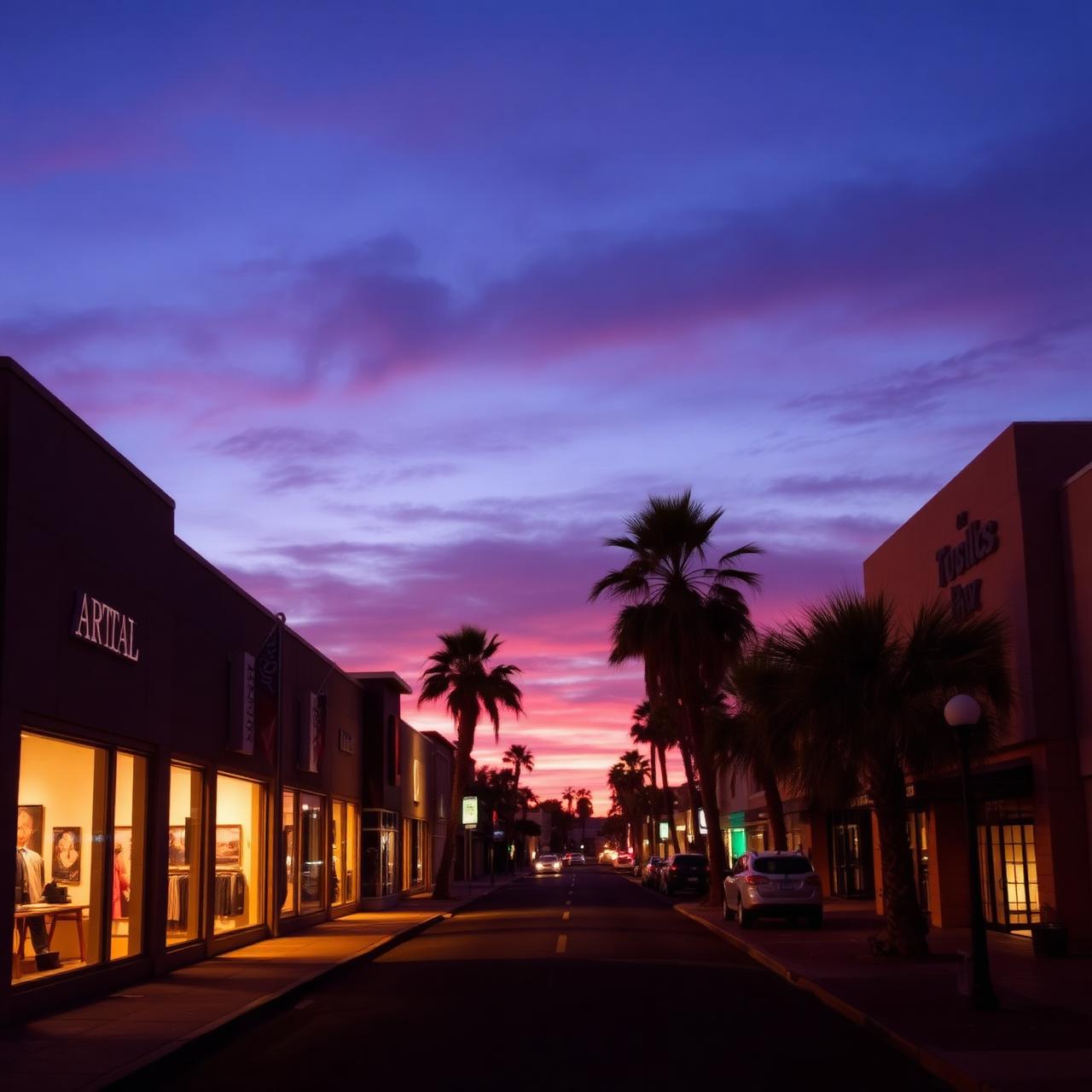
Neighborhood · Arts District
Marshall Way
Four blocks, twelve serious galleries — the Arts District's slow-built spine.
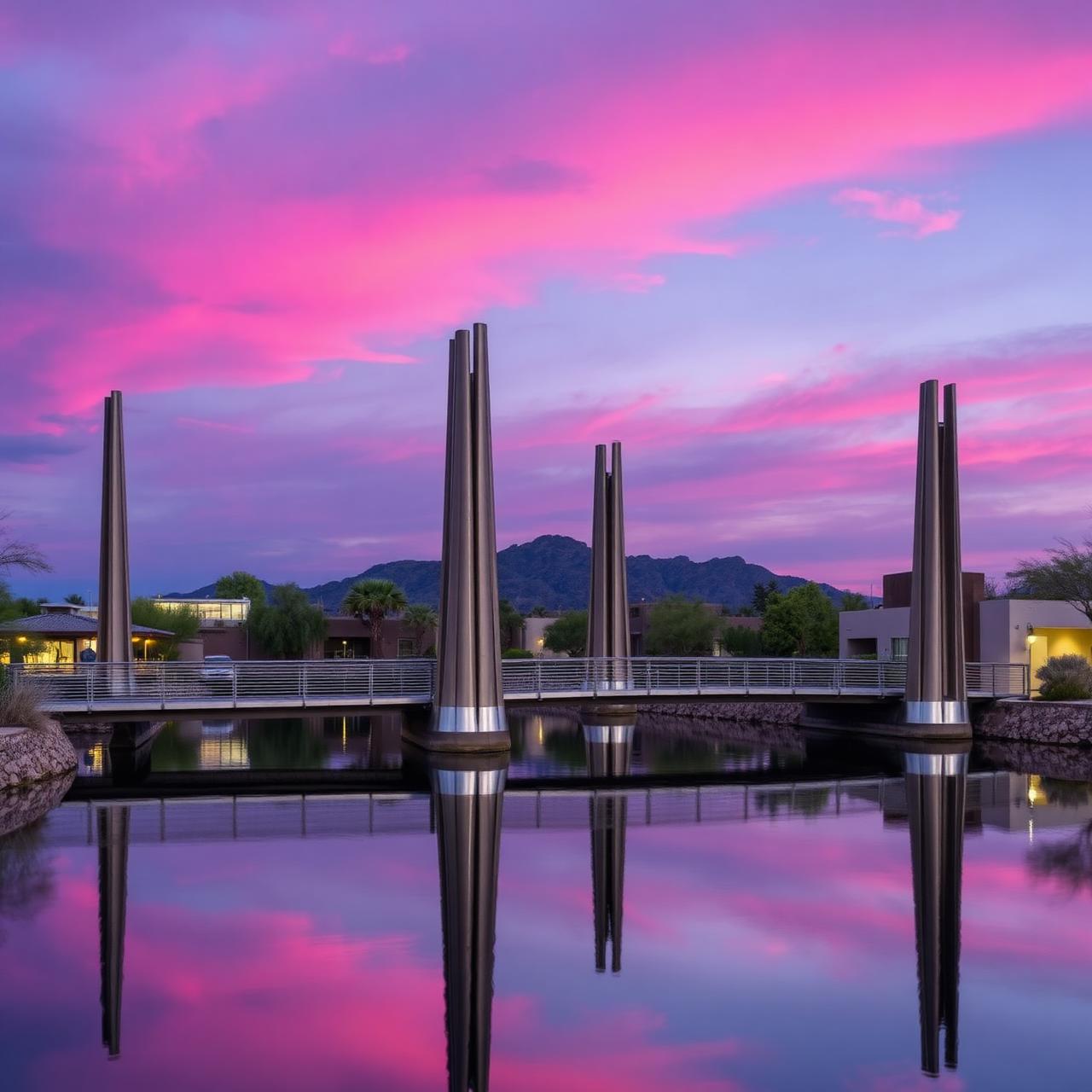
Architecture · Waterfront
Soleri Bridge & Plaza
Paolo Soleri's stainless-steel pylons, set to read the equinox.
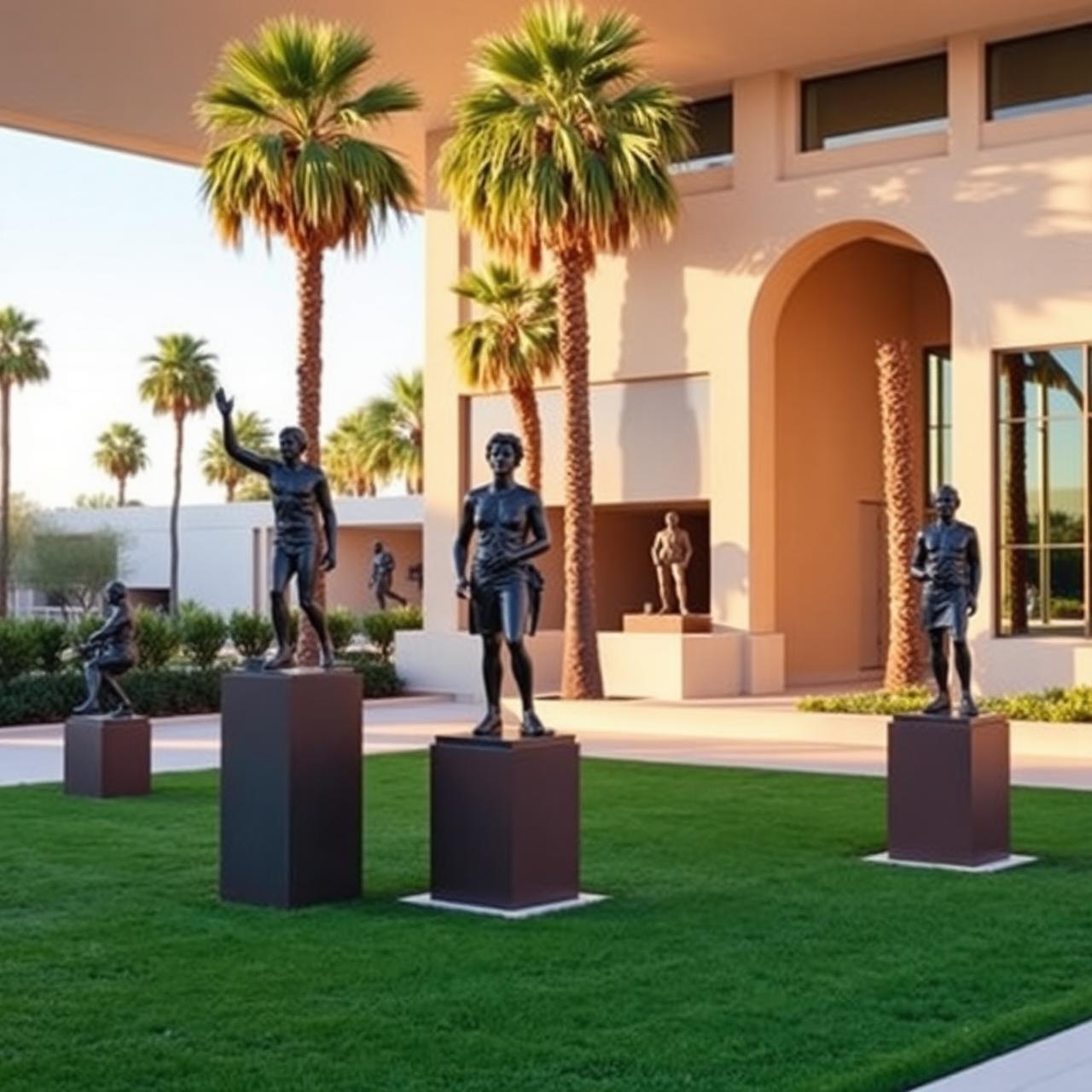
Public Art · Civic Center
Civic Center Sculpture Garden
A twenty-acre lawn of permanent commissions, mostly seen by accident.
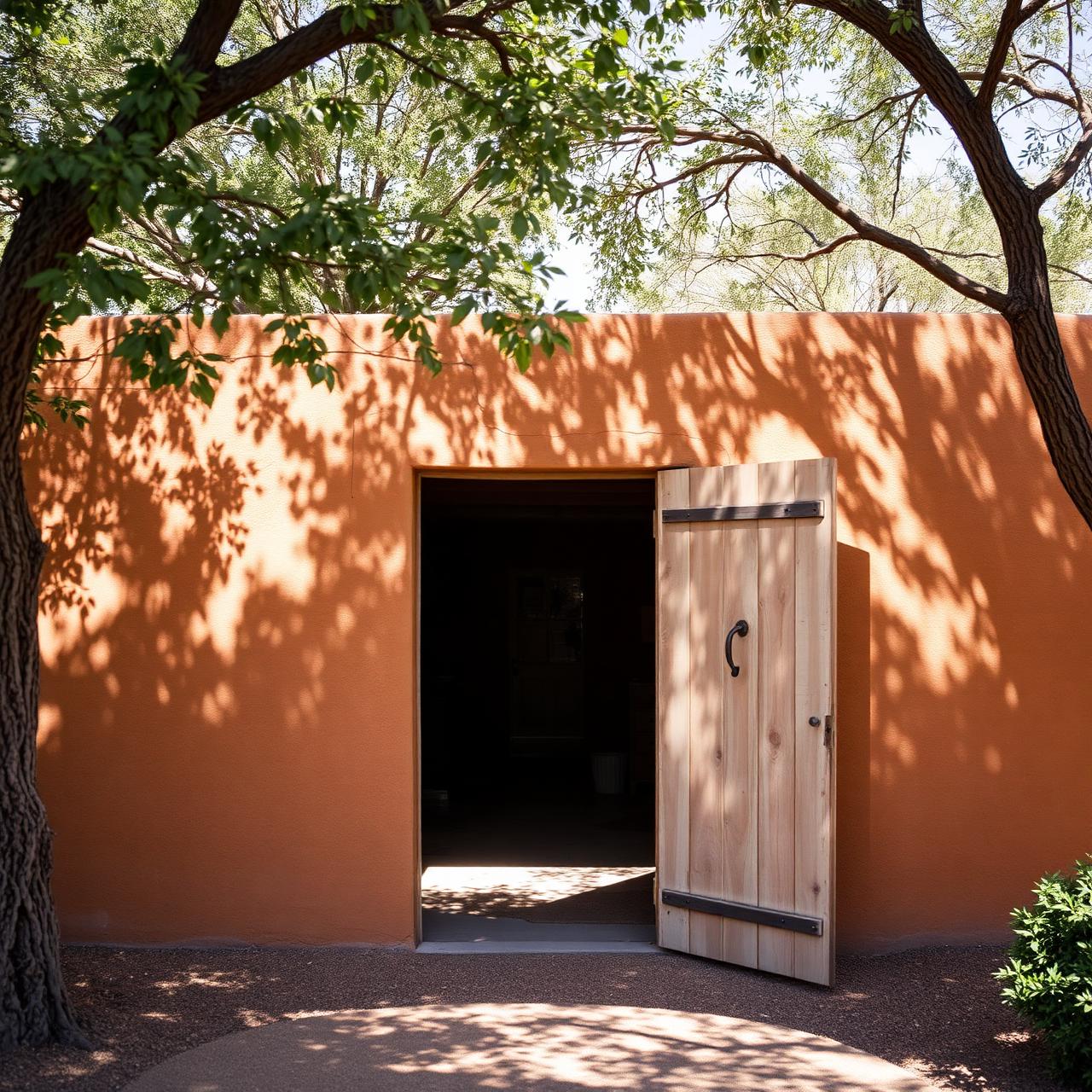
Studio · Indian Bend Wash
Cattle Track Arts Compound
A working artists' compound since 1937 — printmaking, ceramics, weekly open studios.
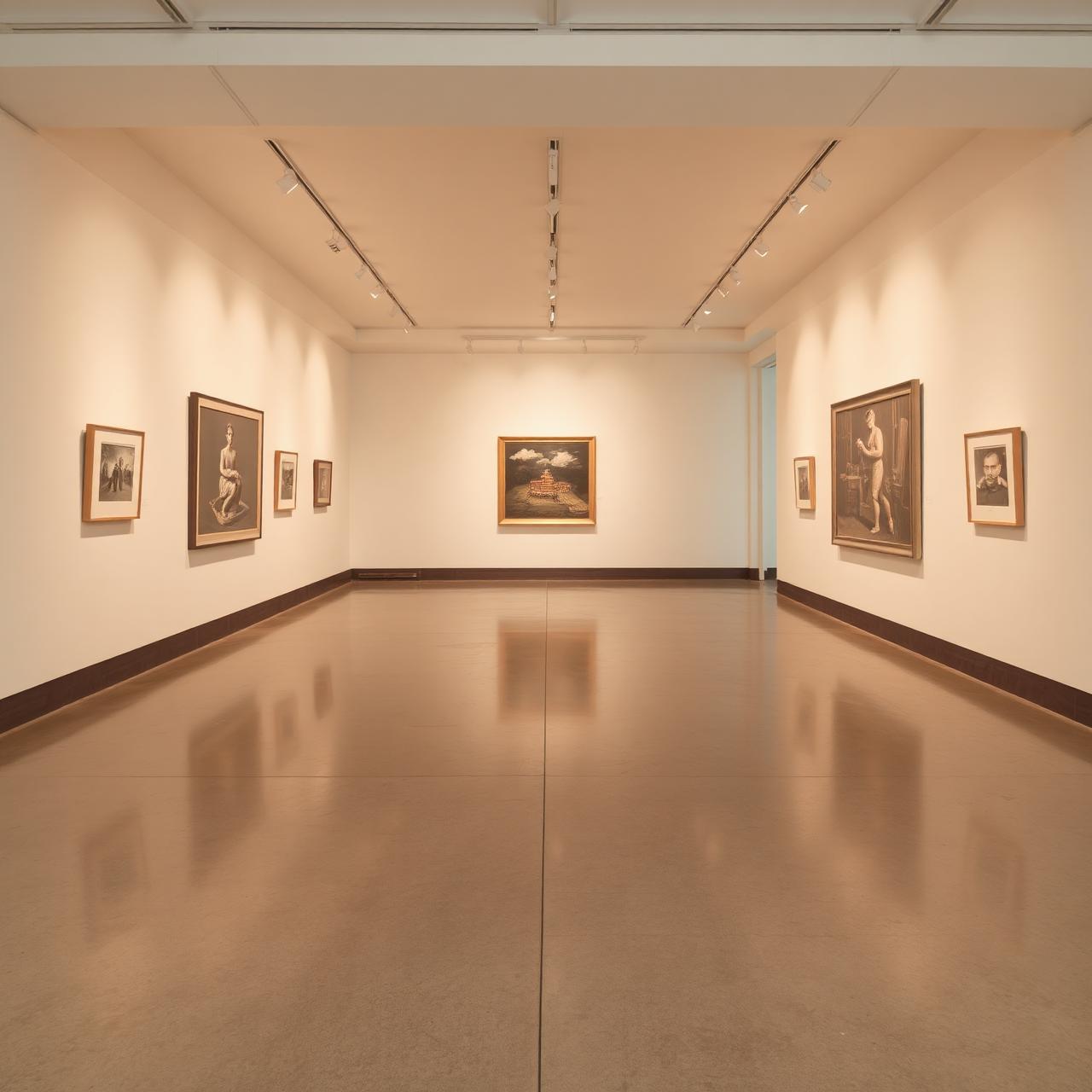
Gallery · Arts District
Larsen Gallery
Twentieth-century American — Wyeth, Warhol, Bellows — on rotating consignment.
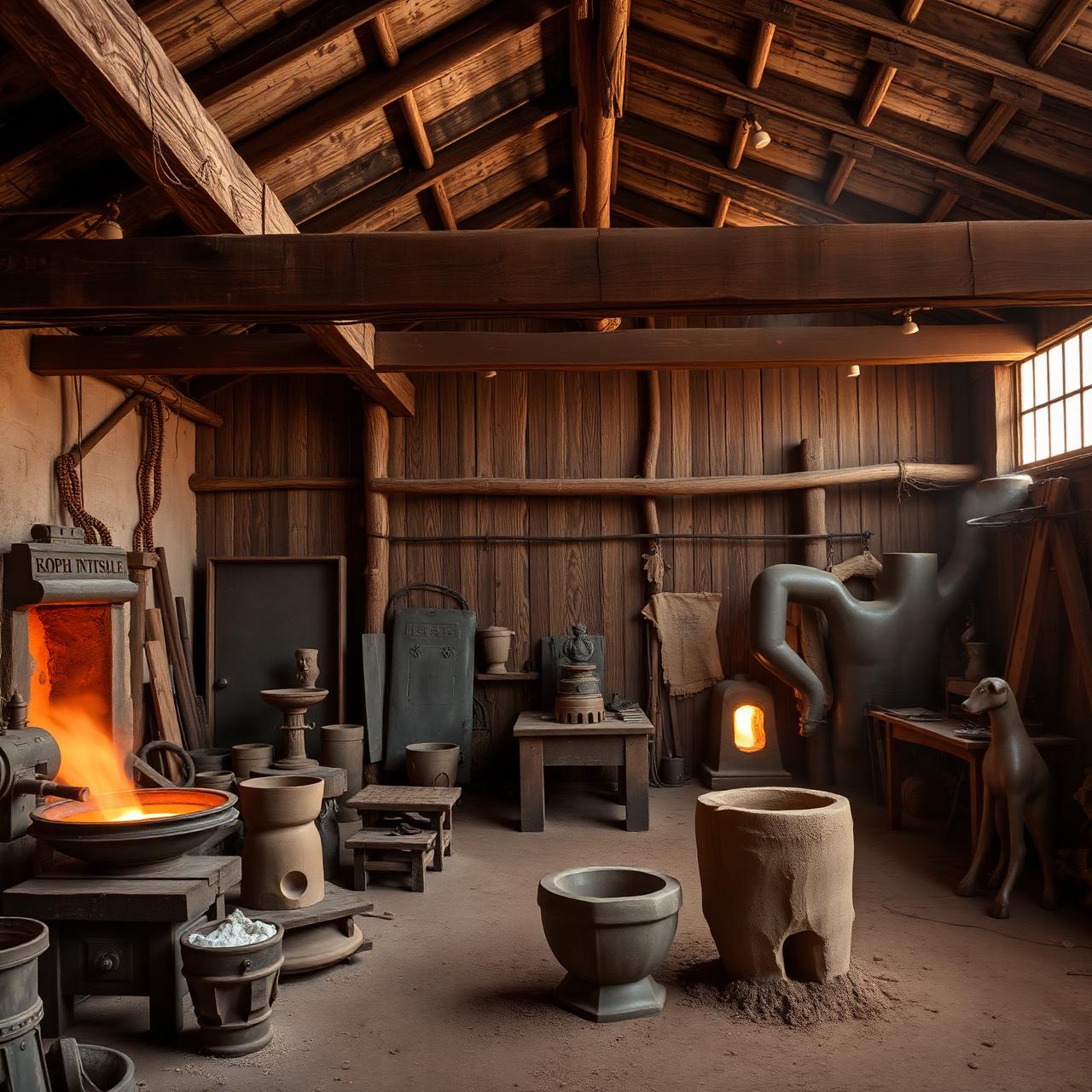
Studio · Cave Creek
Cave Creek Foundry Row
Three working bronze foundries within a mile — the city's casting infrastructure.
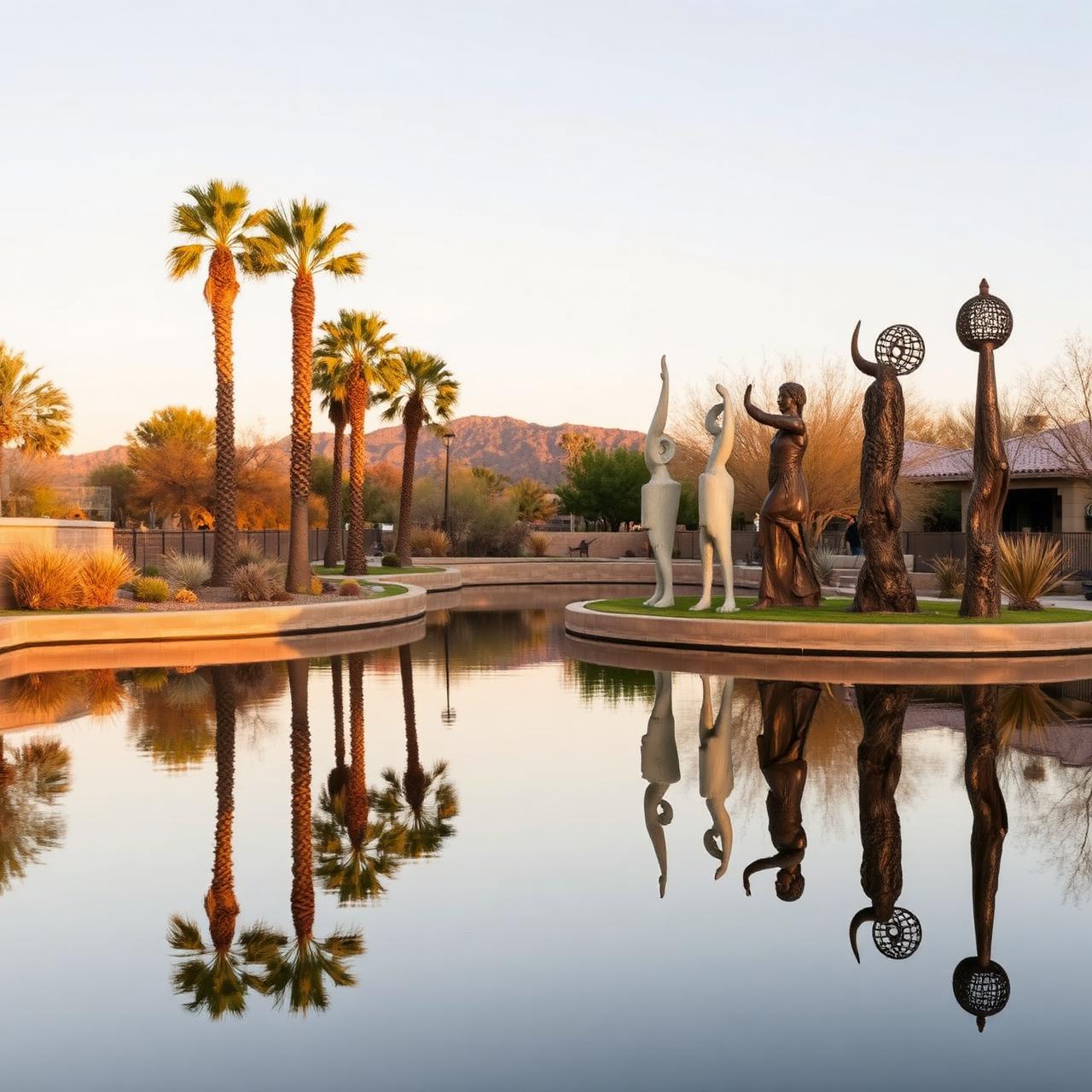
Public Art · Waterfront
Arizona Canal Walk
A five-mile linear gallery — Cor-Ten, light installations, commissioned shade.
Why it matters
Why collectors buy original art
A print is a record of a decision someone already made. An original is the decision itself — every layer, every correction, every place the artist hesitated. Owning the original means owning the evidence of the work, not the souvenir of it. Most first-time collectors buy a print and a year later wonder why the room still feels unfinished. The room is fine. It is waiting for the original.
Editorial
The map
Twelve marked places — galleries, museums, sculpture, studios, architecture.
An editor's selection, not a directory. The dotted line traces the recommended public-art walk.
- 1
SMoCA
Museum
Contemporary museum
- 2
Marshall Way galleries
Gallery
Twelve galleries, four blocks
- 3
Larsen Gallery
Gallery
- 4
Soleri Bridge
Architecture
Paolo Soleri, 2010
- 5
Civic Center Sculpture
Public Art
- 6
Doves of Civic Center
Public Art
- 7
Knot
Public Art
- 8
Jackrabbit, Running
Public Art
- 9
Canal Walk
Public Art
- 10
Cattle Track Compound
Studio
- 11
Cave Creek Foundry Row
Studio
- 12
Art Levy Studio
Studio
Gallery guide
Five rooms worth a quiet afternoon.
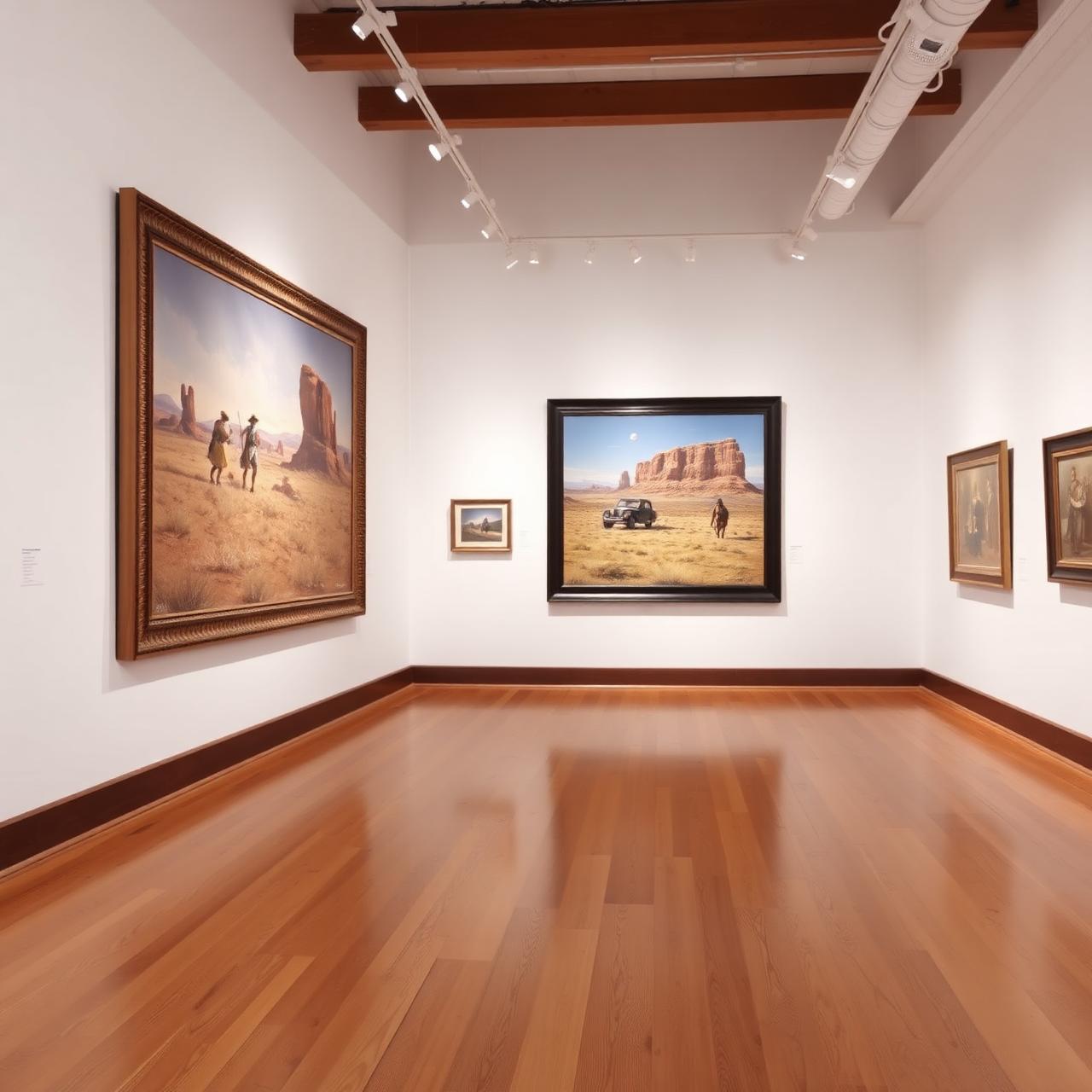
Marshall Way
Bonner David Galleries
Representational painting at museum scale — the kind of work that holds a large room without shouting. The back gallery rotates monthly; the front almost never disappoints.
Mon–Sat, 10–5
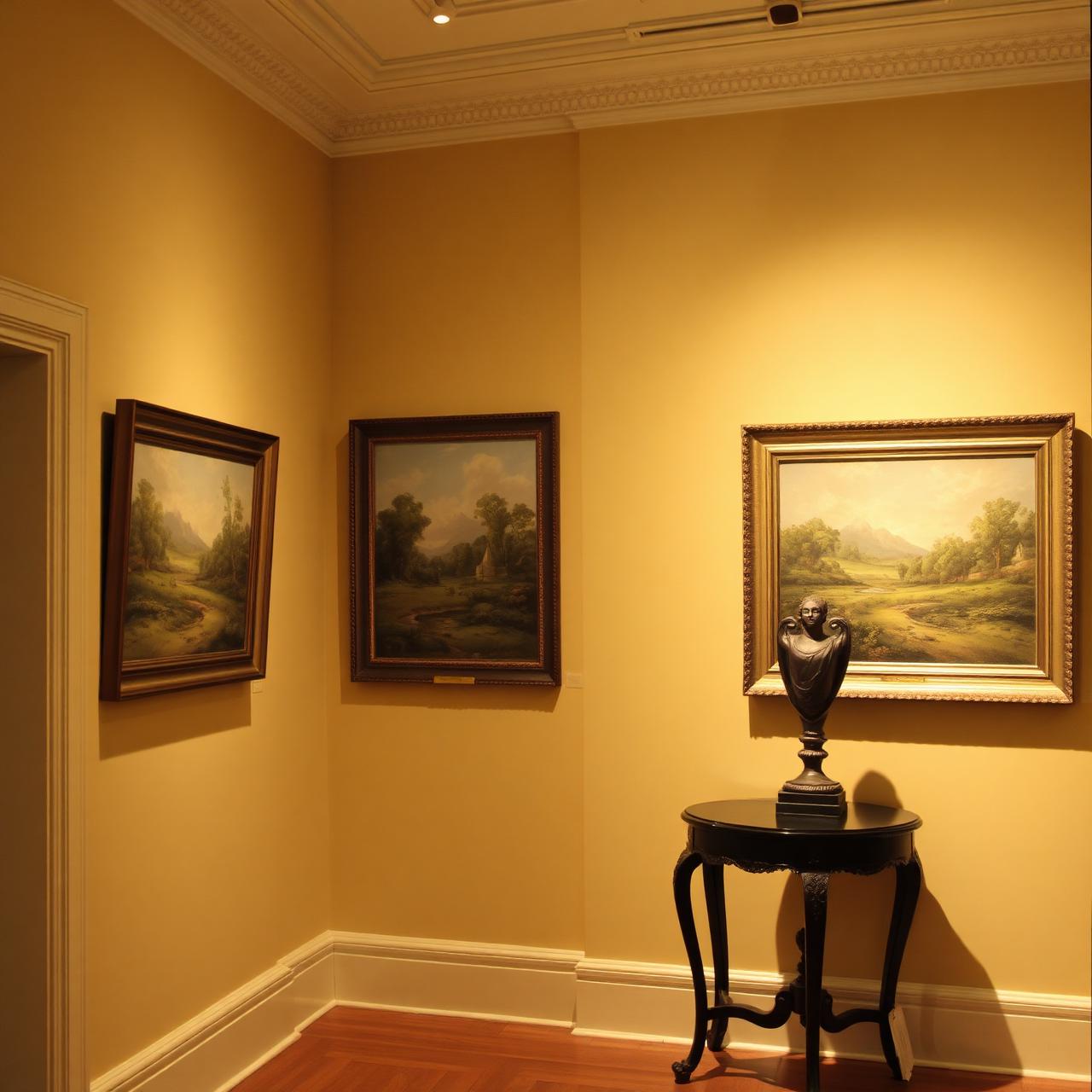
Main Street
Meyer Gallery
A four-decade Scottsdale fixture, focused on contemporary western and impressionist painting. Look for the sleeper room past the office.
Tue–Sat, 11–6
Paradise Valley
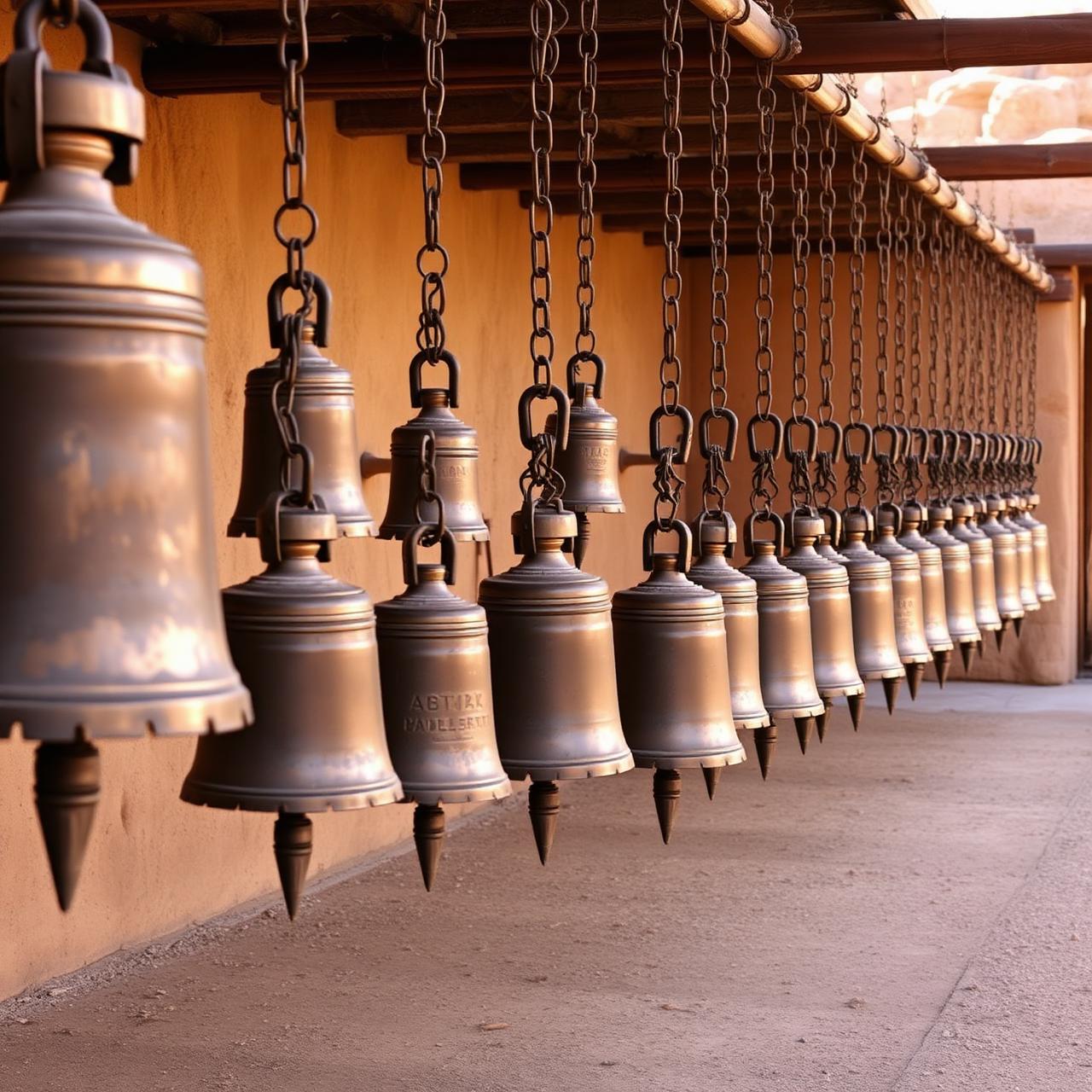
Cosanti Originals
The bronze and ceramic bells cast at Paolo Soleri's compound have been collected for sixty years. Visit at dawn; the metal is cooler and the foundry is louder.
Daily, 9–5
Old Town
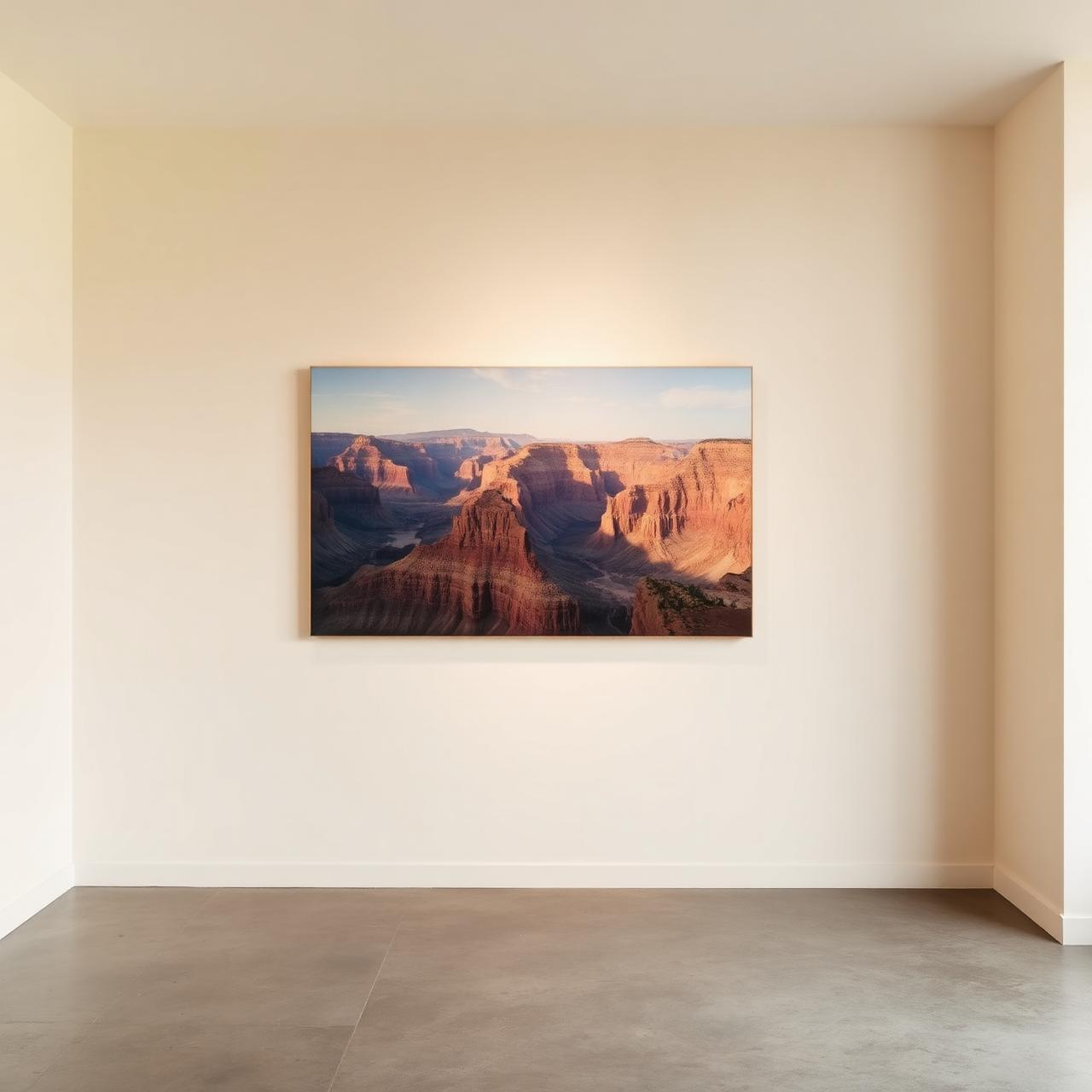
Grand Canyon Gallery
Specialists in southwestern landscape — Maynard Dixon, Hennings, Birger Sandzén. Conservation framing in the back; conversations longer than you expect.
Tue–Sat, 10–5
Indian Bend Wash
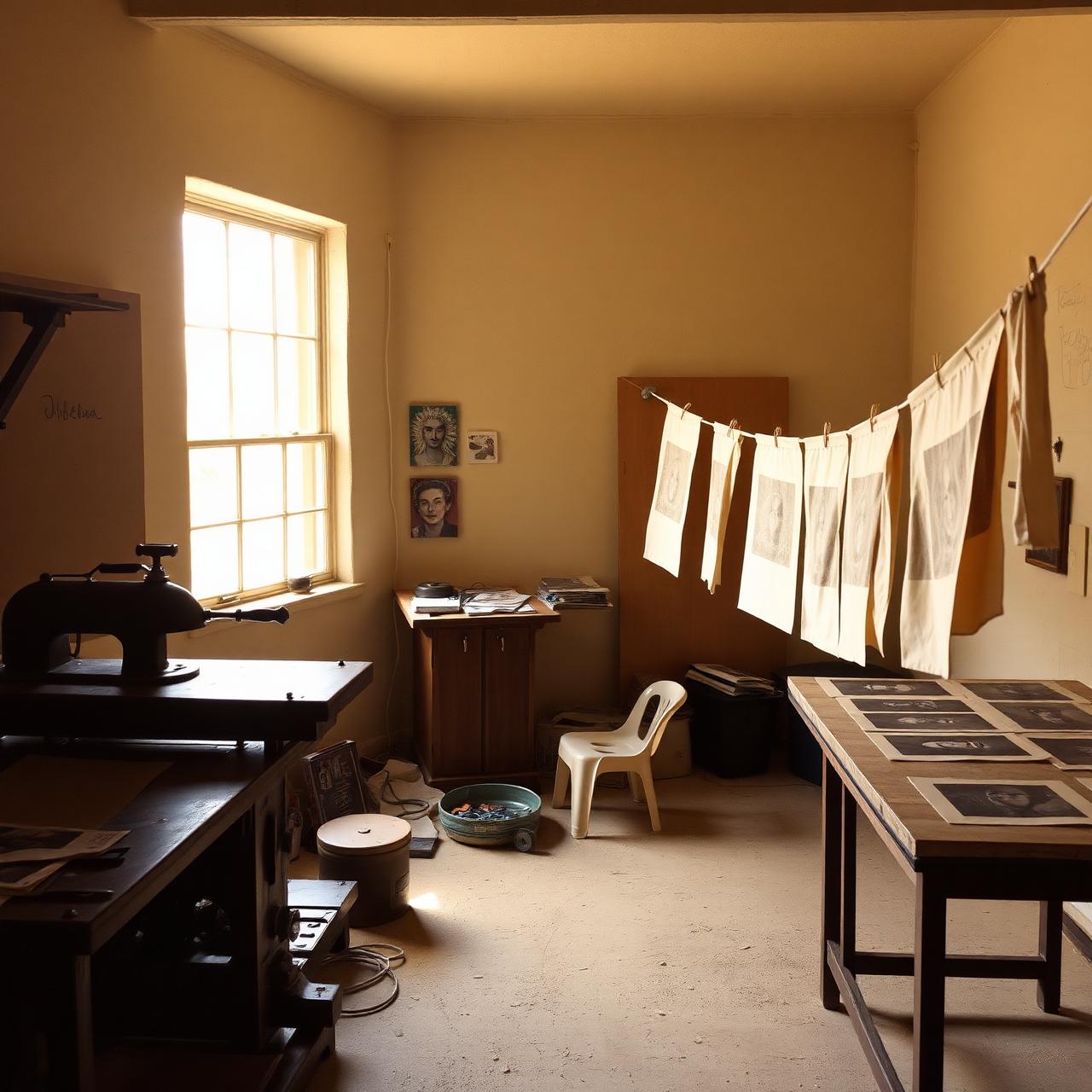
Cattle Track Press
The compound's working letterpress and intaglio studio is open to visitors most Wednesdays. Editions are small, hand-pulled, and signed across the bottom.
Wed open studios, 1–5
On foot
A six-stop public art walk through the Arts District.
Begin at the south lawn of Civic Center; finish under the canopy in Old Town. Roughly forty minutes of walking, half a day if you stop properly.
Stop 01
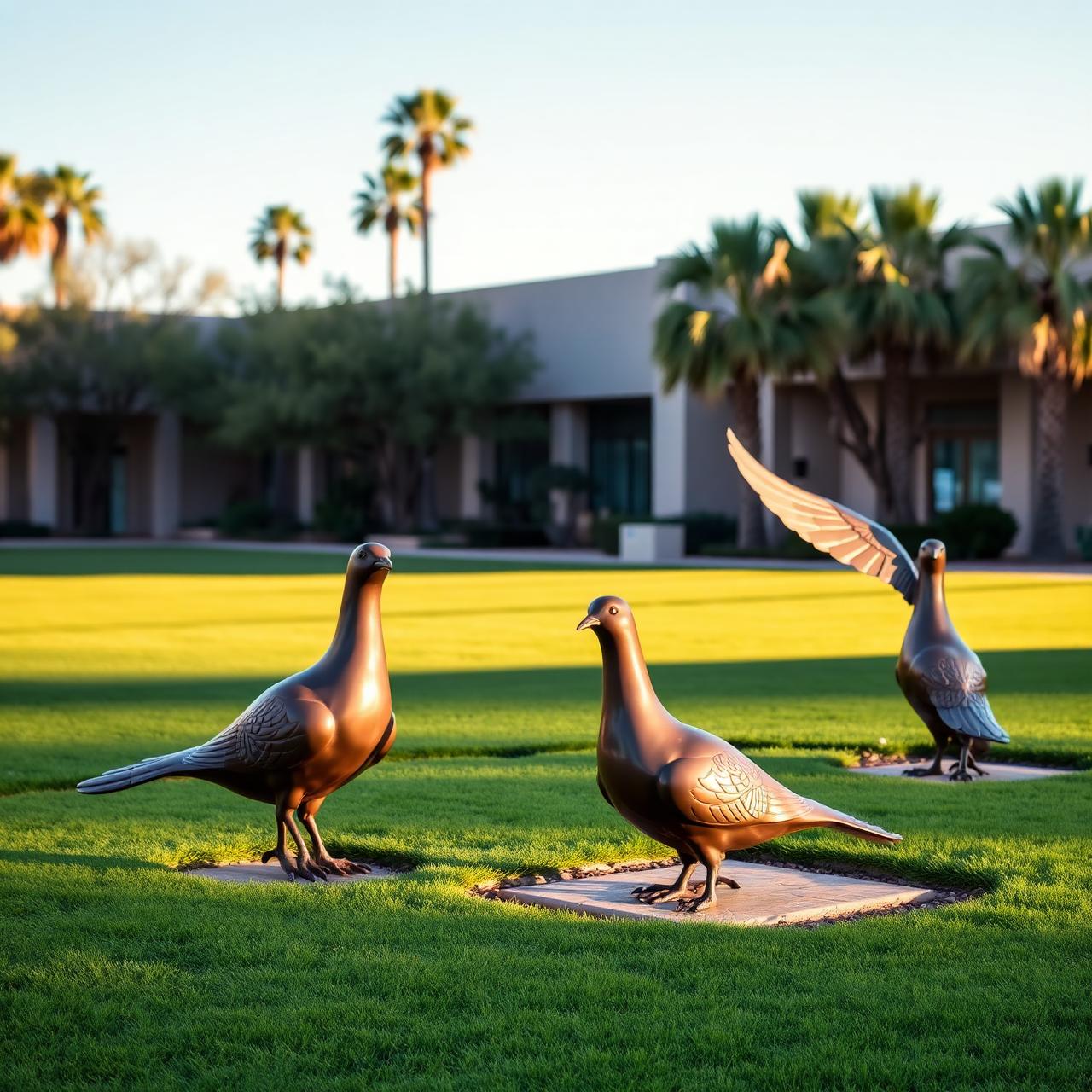
Doves of Civic Center
Start at the south lawn of Civic Center. The dove cluster, commissioned in 1996, sits low — children touch them constantly, and the patina shows it. The bronze is darker on the wings than the cast intended; the wear is now part of the work.
4 min walk to next stop
Stop 02
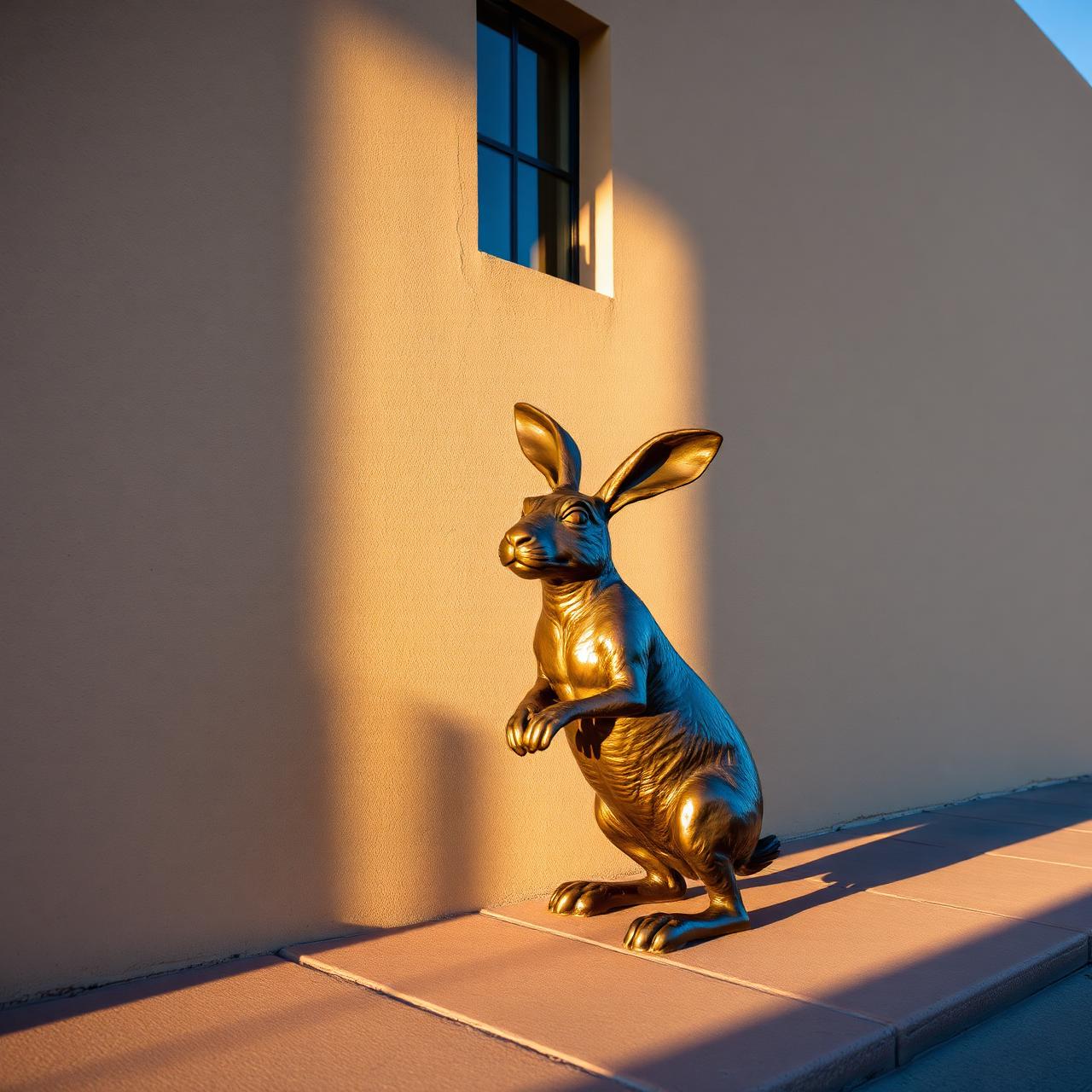
Jackrabbit, Running
Cross Drinkwater Boulevard north into the Arts District. The jackrabbit, cast at twice life-size, is sited so that from the corner it looks like it is about to enter the gallery doorway behind it. The siting is the joke; the casting is serious.
6 min walk to next stop
Stop 03
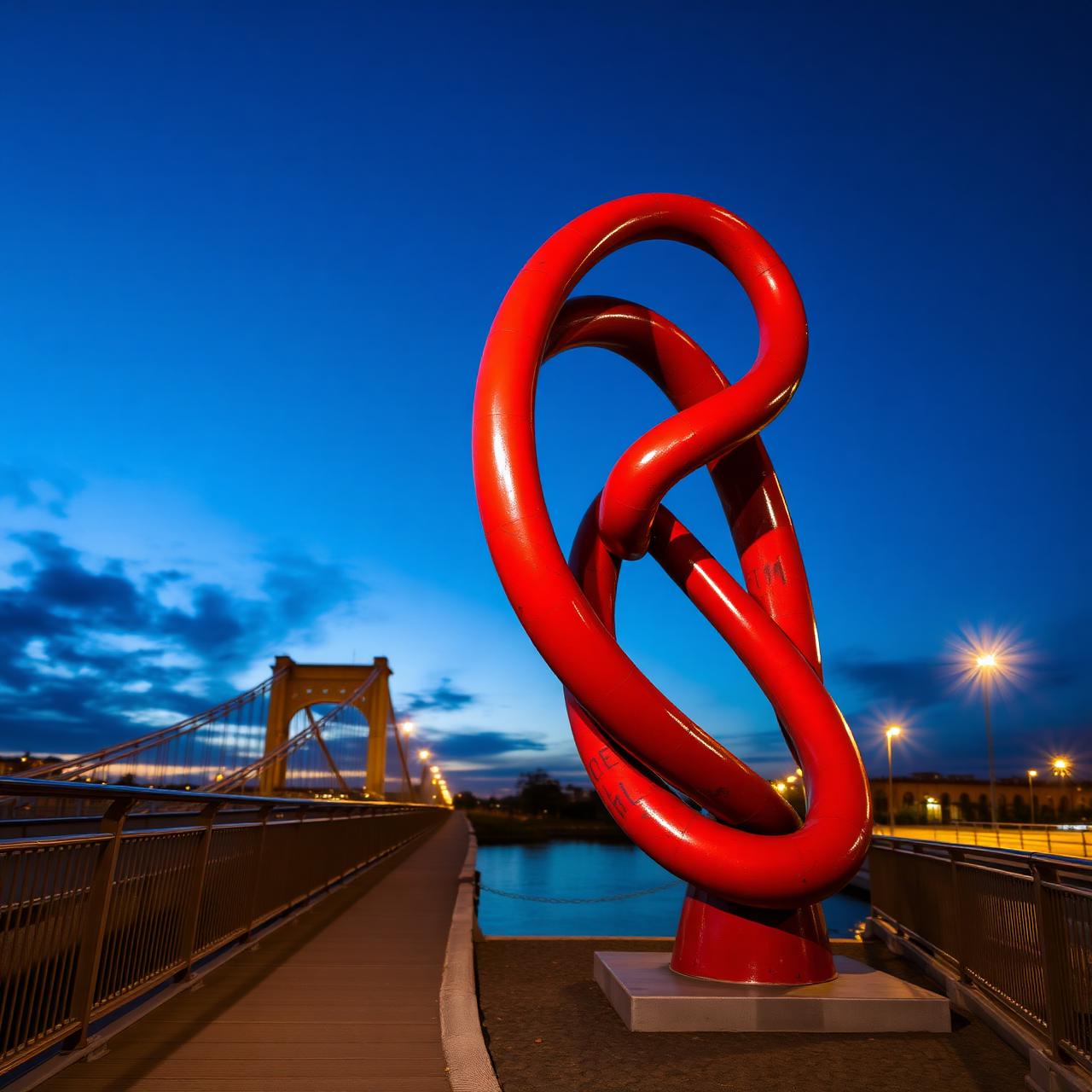
Knot
Continue west to the canal. The painted-steel knot was sited deliberately at the Soleri Bridge's east approach, so the two works are seen as a sequence: the structural pylons first, then the painted gesture answering them.
3 min walk to next stop
Stop 04
Soleri Bridge & Plaza
The pylons are set to mark the solar noon on the spring and autumn equinox. The plaza floor carries the date markings. Stand on the bridge at noon on the third week of September — the shadow falls exactly between the pair.
8 min walk to next stop
Stop 05
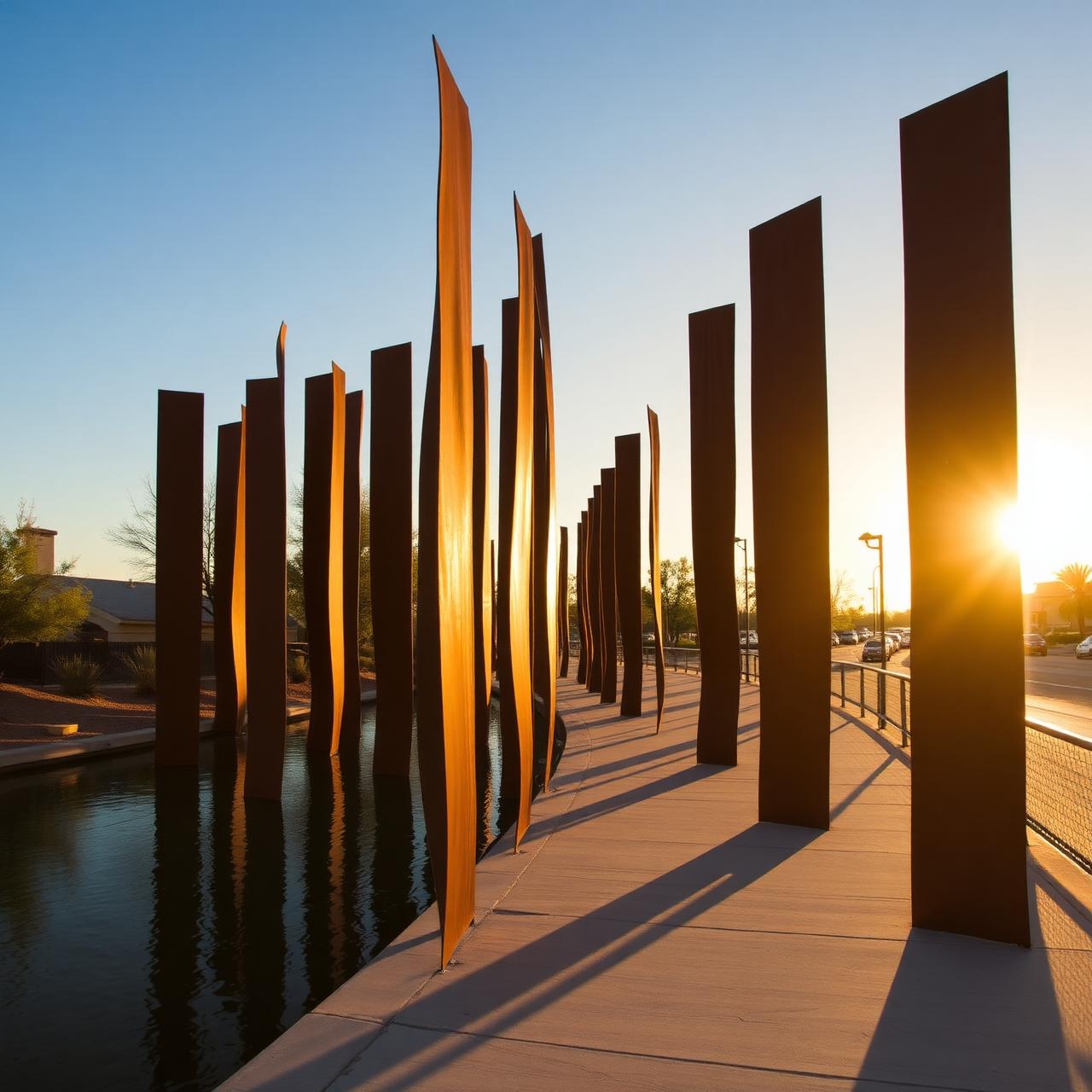
Canal Walk: Water Mark
From the bridge, walk east along the Arizona Canal. The Cor-Ten ribbons are oxidized to a uniform rust; in the morning light they read warm, in the afternoon almost black. The same work looks like two different works.
7 min walk to next stop
Stop 06
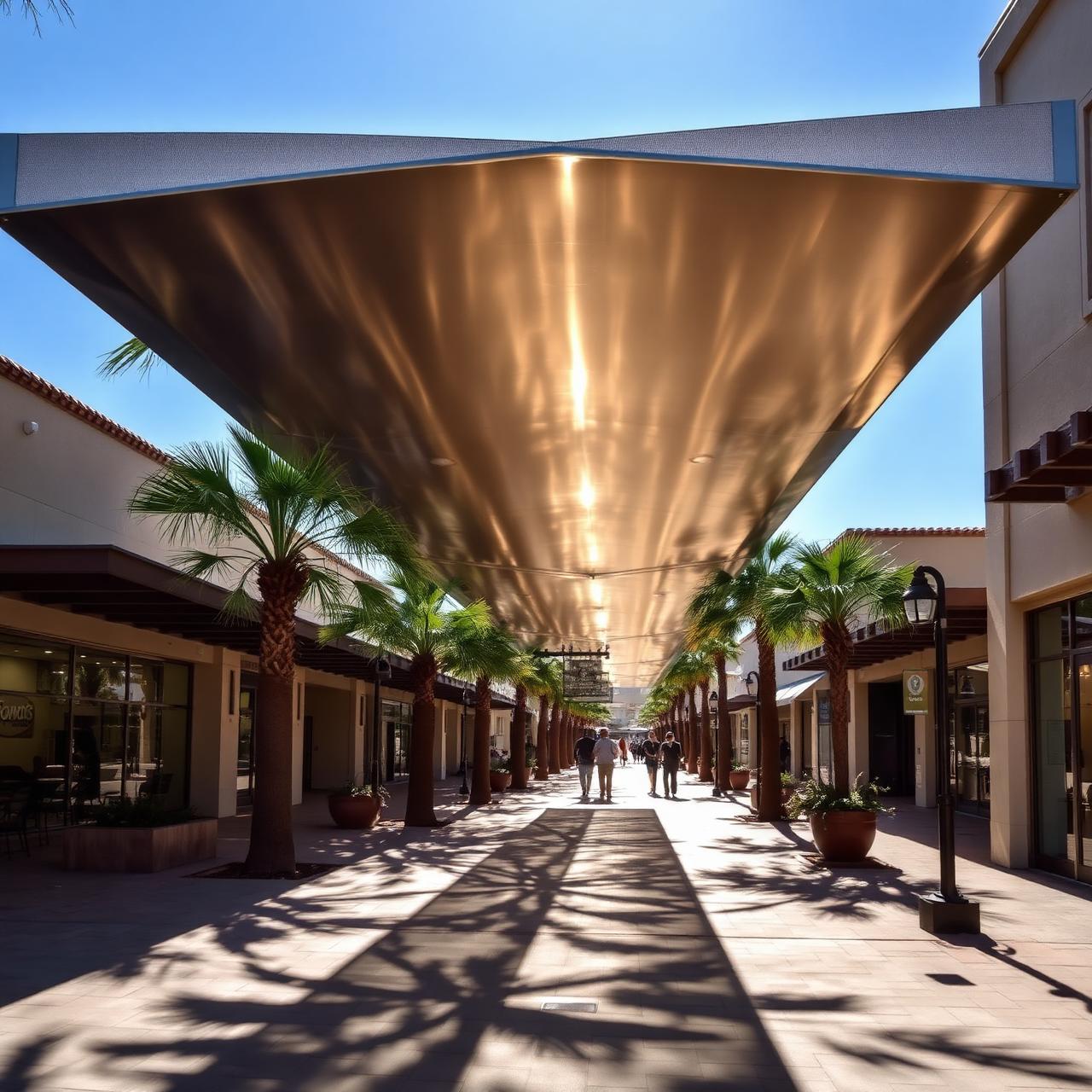
Canopy of Arrows
End back in Old Town under the stainless canopy. The arrows are sited just above standing eye-level so that walking under them produces the intended sense of vault. A bench at the south edge is the right place to stop and look up.
Collecting guide
Five lessons for a new collector.
Lesson 01
How to Buy Your First Painting
Walk into three galleries on three different days. Tell the dealer your budget honestly. Look for the piece you would still want a year from now, not the one that flatters this season's furniture. Negotiate gently; most galleries expect to discount 10–15%. Always ask about provenance and condition.
Lesson 02
Original vs Print
An original is unique; a signed limited print is one of a numbered edition. Both are legitimate. Originals appreciate more, prints are more accessible, and unsigned reproductions are decoration — not collecting. The signature, edition number, and chop mark together verify a print's authenticity.
Lesson 03
Understanding Provenance
Provenance is the work's biography: where it came from, who owned it, where it has been shown. Reputable galleries provide a written certificate. Auction houses publish exhibition history. A weak provenance is not necessarily a fake — but a strong provenance is always worth paying for.
Lesson 04
Framing Basics
Acid-free mat, UV-protective glass (museum glass is worth it on anything valuable), spaced from the artwork. The frame is the most subjective decision a collector makes. When in doubt, choose a simple float frame and a slim profile — they age better than ornamentation.
Lesson 05
Working With Galleries
A good gallery is not a store; it is a slow relationship. Tell them what you collect, what you do not, what your space will hold. They will hold pieces back for you. Most serious collectors buy 70% of their collection from three or four dealers they trust.
Why it matters
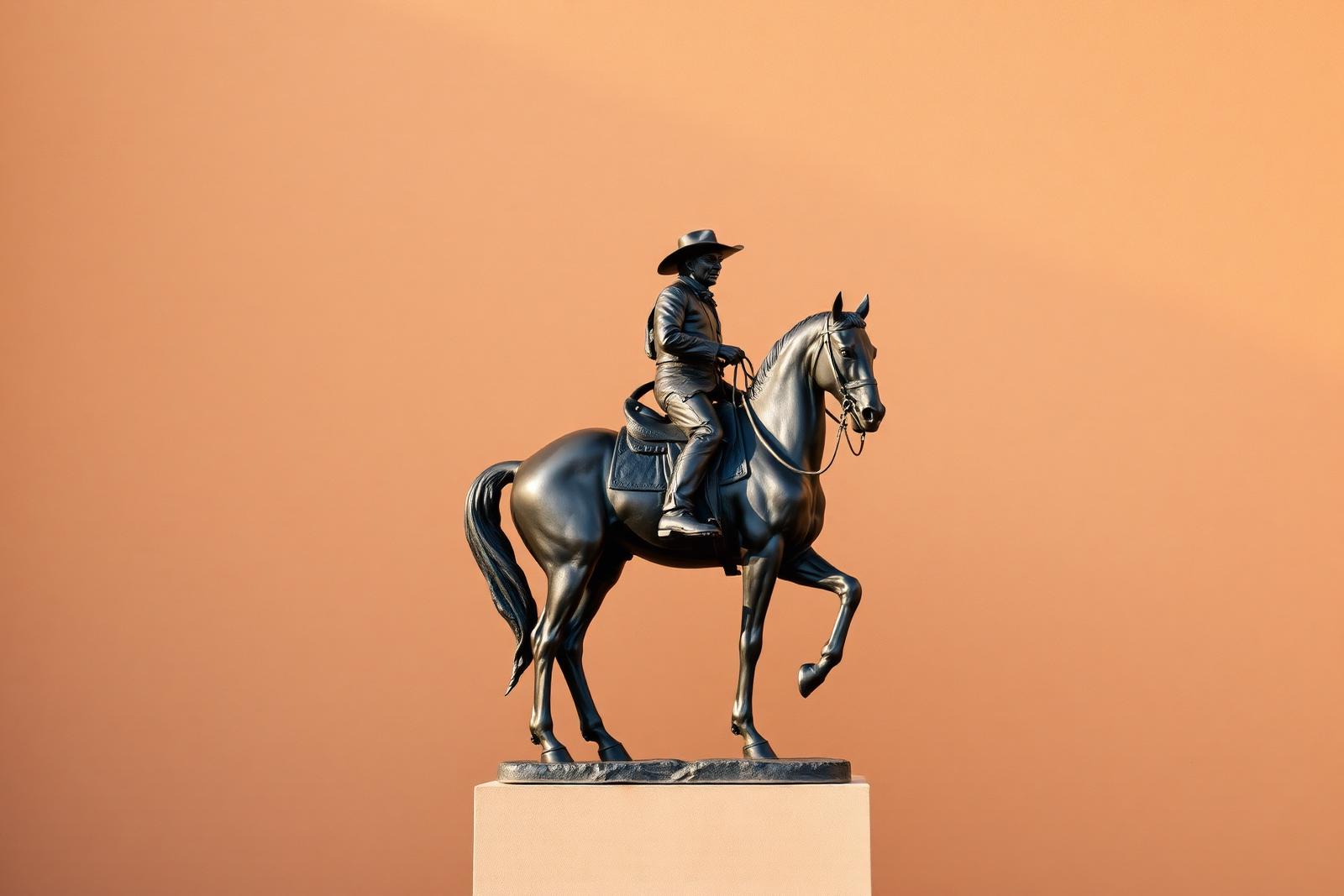
Why public art changes how cities are experienced
A city without public art is a city you pass through. A city with public art is a city you walk in. The presence of a sculpture at the end of a block changes the calculation: it is no longer a question of getting to the destination, it is a question of getting to the next thing worth looking at. Scottsdale invested in this calculation early — three decades of commissioned permanent works arranged into walkable sequences. The result is a downtown most people experience on foot, even in August.
Why it matters
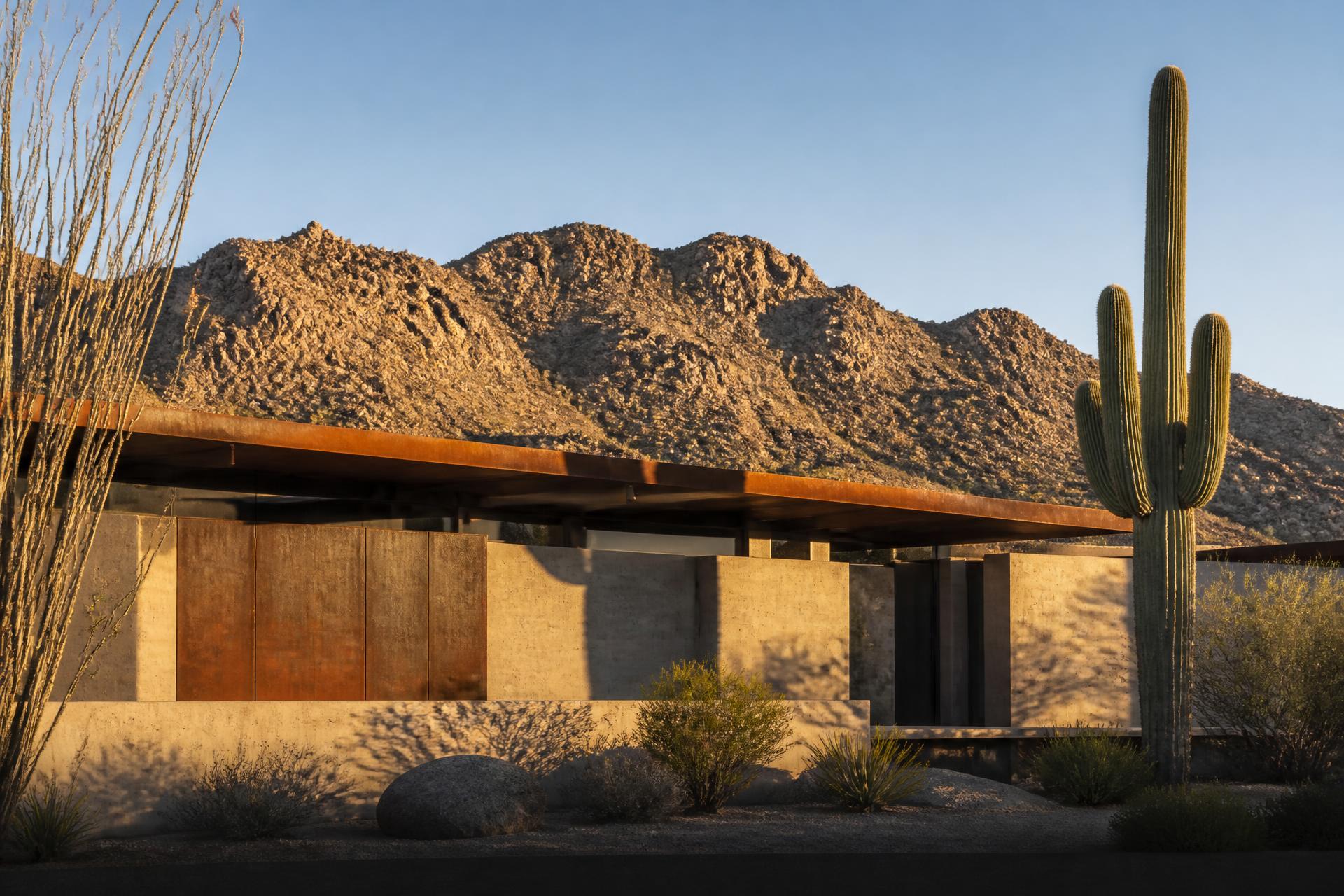
Why Western art has become an increasingly important luxury market
For thirty years the contemporary market chased the international art fair circuit. In the same period, the auction houses quietly built specialist Western departments. The buyers — finance, technology, family-office — are the same; the work has become a hedge. A serious Western painting from a top-tier living artist has appreciated faster over the last decade than the same dollar invested in the contemporary index. Collectors who knew this in 2012 quietly moved their walls.

Continue exploring
Wherever this issue leaves you.
A closing thought
A city's art is not the sum of what hangs on its walls. It is what its citizens choose, over and over, to walk past slowly.
The Editors
Presented by
Art Levy
Every issue begins with curiosity and is made possible by a partner who believes great local storytelling deserves support. If this issue inspired you to explore Scottsdale's art community further, you can continue the journey by visiting Art Levy's studio and online gallery.